
Not every trucking stop happens at a warehouse or permanent distribution center.
Construction projects, roadwork zones, utility projects, and temporary staging areas regularly require drivers to deliver equipment, materials, and supplies to locations that change constantly. Unlike permanent facilities with established systems and procedures, temporary job sites often operate under evolving conditions that create unique safety and security challenges.
For drivers, these environments require additional awareness, communication, and adaptability.
For site managers and contractors, they create operational risks that are often difficult to fully control.
Temporary Sites Change Constantly
One of the biggest challenges with temporary job sites is that conditions rarely stay the same for long.
Access points may move throughout the project. Equipment locations shift daily. Traffic patterns change as work progresses. Lighting conditions can vary depending on schedules and project phases.
Drivers arriving on site may encounter:
- Unclear entrances or delivery routes
- Limited lighting during early morning or evening hours
- Temporary fencing or gates
- Congested staging areas
- Heavy equipment operating nearby
- Unmarked pedestrian activity
- Last-minute delivery changes
Unlike permanent facilities where drivers become familiar with procedures over time, temporary sites often require drivers to quickly assess new environments with very little preparation.
This ability to adapt safely becomes an important part of professional driving.
Communication Becomes More Important on Active Job Sites
Temporary sites rely heavily on communication between drivers, dispatchers, contractors, and on-site personnel.
A missed update or unclear instruction can quickly create confusion when multiple deliveries, subcontractors, and equipment operators are working in the same area.
Drivers may arrive before gates open, struggle to identify delivery contacts, or navigate sites where layouts changed since the previous visit.
At C1 Truck Driver Training, students prepare for these types of real-world situations through CDL and ELDT training that focuses not only on driving skills, but also awareness, professionalism, and communication in active working environments.
You can also explore C1’s blogs, Preventing Theft and Safety Risks in Trucking and Why Security Matters in the Trucking Industry for additional industry insight.
Security Challenges Increase on Temporary Properties
Temporary job sites also create different security concerns than permanent facilities.
Many projects contain valuable equipment, materials, tools, and vehicles that may sit unattended overnight. At the same time, temporary locations often lack the infrastructure and visibility of permanent buildings.
This can make it harder to monitor activity, control access, or respond quickly when problems occur.
Common security concerns at temporary sites include:
- Unauthorized site access
- Equipment theft
- Material theft
- Trespassing after hours
- Poor visibility around storage areas
- Limited documentation of incidents
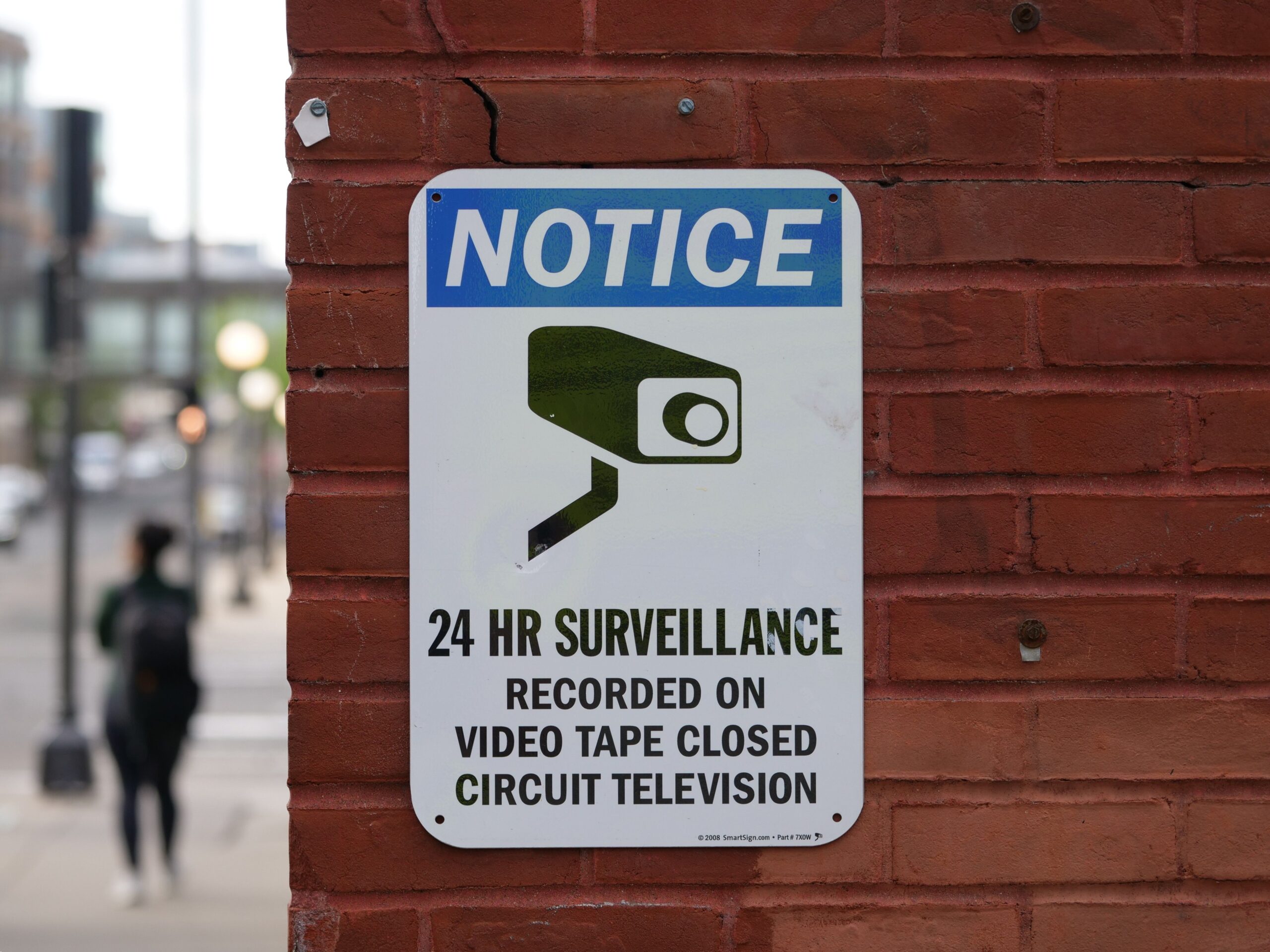
At Security Force, temporary and evolving environments are one reason deployable security solutions have become increasingly important. Mobile surveillance trailers, temporary camera systems, monitored entry points, and remote visibility tools can help contractors and project managers maintain awareness even when sites continue changing throughout the project lifecycle.
You can also explore Security Force’s blog The Most Dangerous Time in Your Project’s Lifecycle Is Before Your Permanent Security System Is Installed for additional information.
Drivers and Site Teams Share Responsibility
Successful job sites depend on coordination between many different groups.
Drivers must remain alert while navigating unfamiliar conditions. Contractors must communicate clearly with incoming deliveries. Site managers must maintain organized traffic flow and visibility throughout active work areas.
When communication and awareness break down, risks increase quickly for everyone on site.
Even small improvements such as better signage, clearer delivery instructions, temporary lighting, or organized staging areas can help reduce confusion and improve safety.
Temporary Sites Still Require Long-Term Planning
Although construction sites and temporary projects may only exist for a limited time, the risks associated with them are very real.
Drivers, contractors, and businesses all benefit when temporary locations receive the same level of planning and awareness as permanent facilities.
As projects continue growing more complex and schedules become tighter, both trucking operations and job site security will continue relying on strong communication, visibility, and preparation to keep operations moving safely.