Many businesses know they should evaluate their security, but few know what a professional security assessment actually involves.
Some people assume it is simply a walkthrough where someone recommends new cameras or access control equipment. Others think a security assessment is only necessary after a break-in or other major incident.
In reality, a security assessment is about understanding how your facility operates and determining whether your current security measures support your people, property, and daily operations.
The goal is not to sell equipment. The goal is to identify opportunities to improve security before problems occur.
It Starts with Understanding Your Facility
Every property is different.
A warehouse has different security needs than an office building. A school operates differently than a healthcare facility. Even two businesses in the same industry may have completely different layouts, schedules, and security concerns.
That is why a security assessment begins with learning how your facility functions.
Questions often include:
- Who needs access to the building?
- When is the property occupied?
- Where are valuable assets located?
- Which entrances receive the most traffic?
- Are there areas that require additional protection?
Understanding how the building is used helps determine whether the current security strategy matches the actual risks.
Looking Beyond Cameras
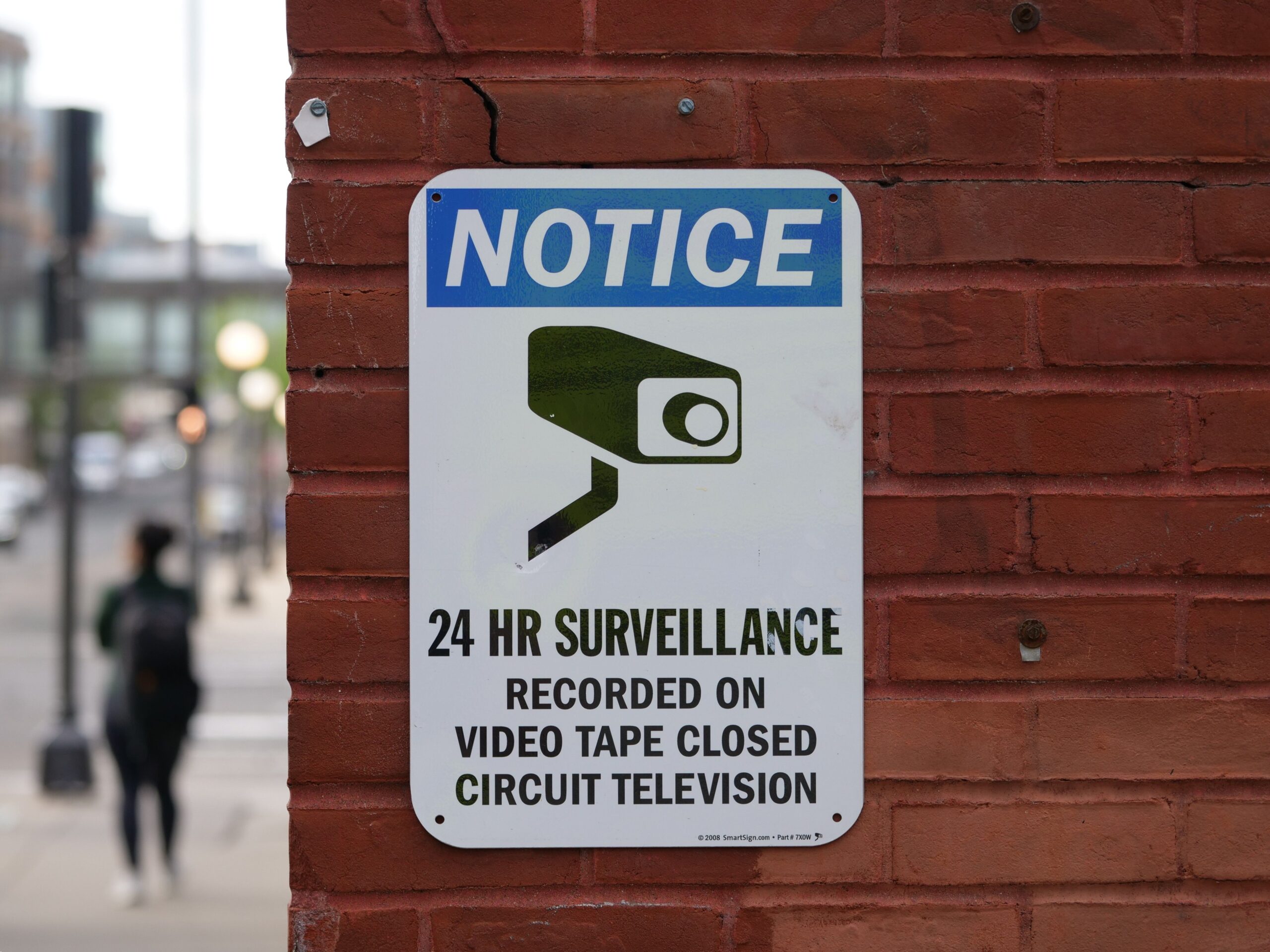
Many people immediately think about security cameras, but a complete assessment evaluates much more than video surveillance.
A security assessment may include reviewing:
- Camera placement and coverage
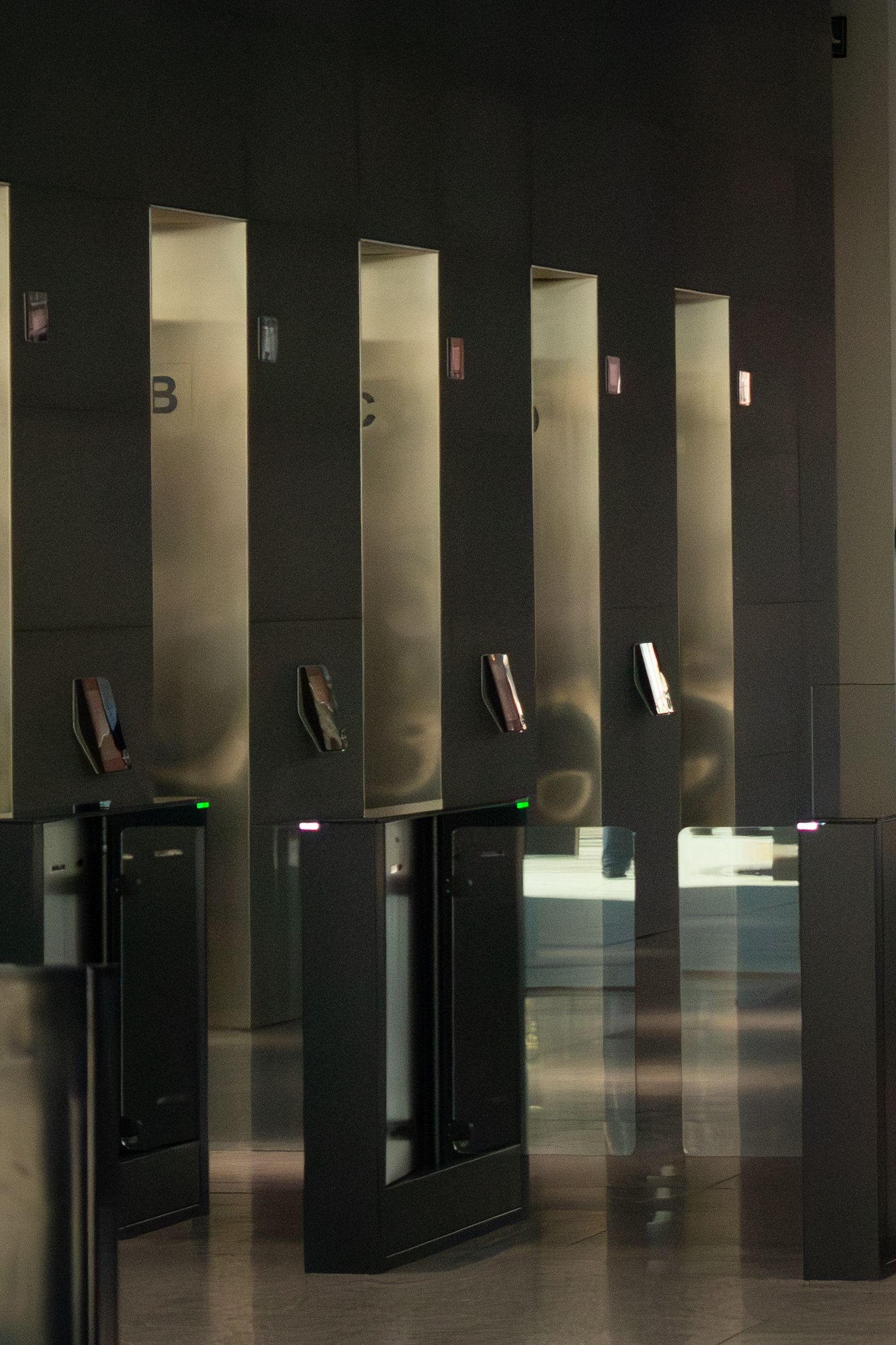
- Access control systems
- Intrusion alarms
- Exterior lighting
- Building entrances and exits
- Visitor access procedures
- Employee access permissions
- Areas with limited visibility
- Emergency communication methods
Sometimes the assessment identifies opportunities to add technology. Other times, simple operational changes can improve security without installing additional equipment.
Identifying Security Gaps
One of the biggest benefits of a security assessment is identifying issues that have developed over time.
Businesses change. Employees come and go. Departments expand. Renovations alter traffic patterns. New equipment gets installed.
As these changes occur, security systems do not always evolve alongside them.
A camera that once covered a loading dock may now face stacked inventory. Employees who changed roles years ago may still have access to restricted areas. A temporary workaround may have quietly become a permanent practice.
Many of these issues are easy to miss because they develop gradually.
Building a Security Strategy
A good security assessment does not focus on individual products.
Instead, it looks at how cameras, access control, intrusion alarms, intercoms, monitoring, and everyday procedures work together.
The strongest security strategies combine technology with well-defined processes.
Sometimes the assessment confirms that your current system is working exactly as it should. In other cases, it identifies practical improvements that increase visibility, accountability, or convenience without requiring a complete system replacement.
Every recommendation should support the way your organization operates, not force your operations to adapt to the technology.
An Investment in Awareness
One of the greatest values of a security assessment is gaining a clearer understanding of your facility.
Even if no immediate changes are needed, the assessment provides confidence that your security measures align with your current operations and helps identify potential concerns before they become larger problems.
At Security Force, every security assessment begins with listening. Our team takes the time to understand your facility, your operations, and your goals before making recommendations. Whether you’re evaluating an existing system or planning future improvements, we’re here to help you build a security strategy that fits your organization. Contact us today for more information.