Most security failures don’t begin with someone forcing open a locked door or defeating an expensive security system.
Instead, they often start with something much smaller.
A door is propped open because someone is carrying in supplies. An employee lends a coworker their access card because they forgot theirs at home. A delivery arrives after hours, so the alarm is left disarmed until everyone leaves.
None of these decisions feel like a major security risk.
In fact, they’re usually made with good intentions.
The problem is that security isn’t weakened by one dramatic mistake. It’s weakened when small exceptions slowly become everyday habits.
“Just This Once” Has a Way of Becoming Routine
Almost every shortcut starts as a temporary solution.
Someone hides a spare key outside because a contractor needs access. A visitor skips the check-in process because they’re a familiar face. A malfunctioning door is left alone because it still locks most of the time.
Days turn into weeks.
Weeks turn into months.
Eventually, nobody remembers why the shortcut started in the first place. It simply becomes part of the normal routine.
That’s often when organizations become most vulnerable because people stop recognizing the shortcut as a risk.
Every Shortcut Removes a Layer of Protection
Physical security is built on layers.
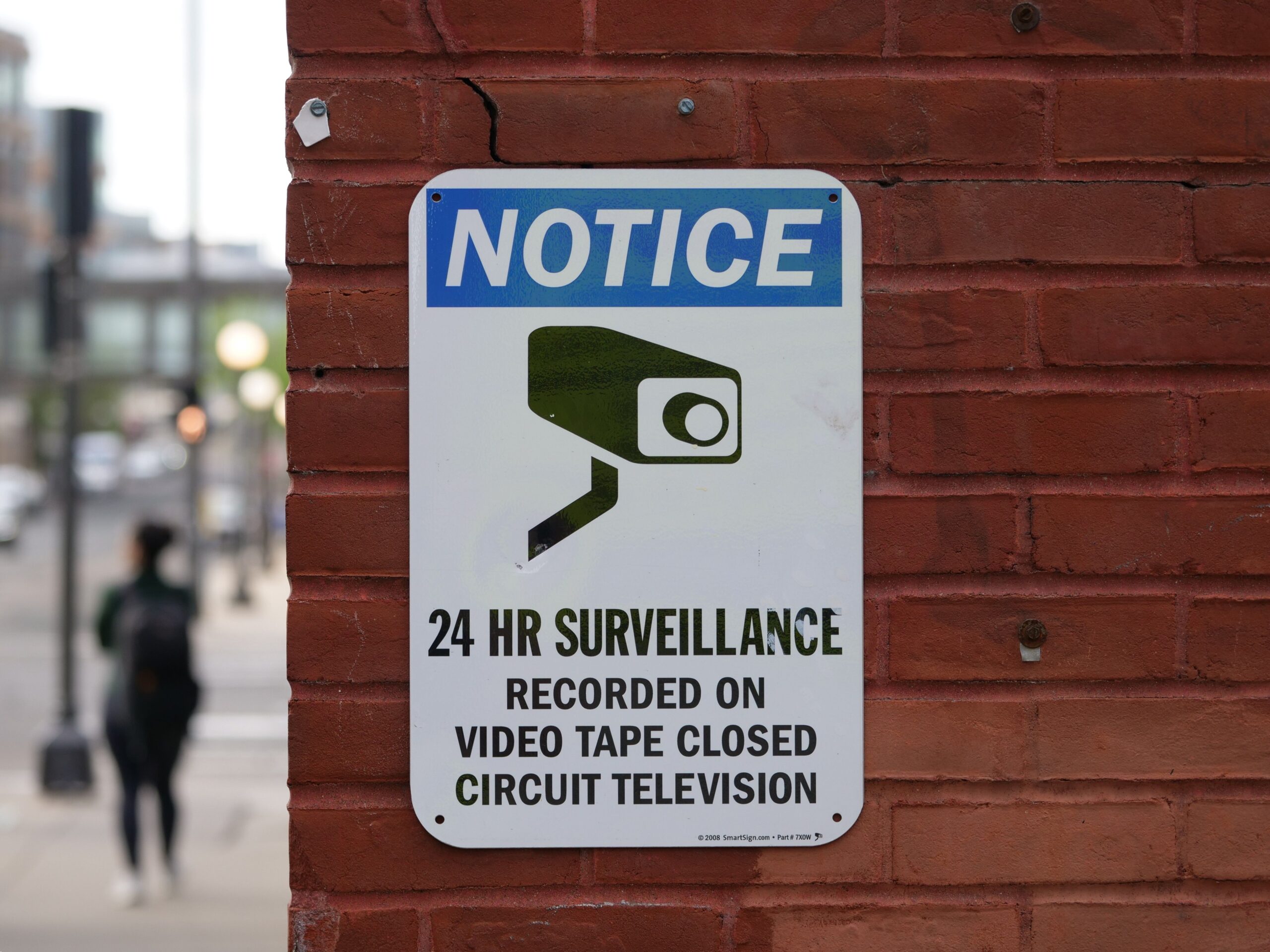
Access control verifies who enters the building. Cameras provide visibility. Intrusion alarms notify people when something isn’t right. Visitor procedures create accountability.
When a shortcut bypasses one of those layers, the entire system becomes a little less effective.
Holding a secure door open may seem courteous, but it removes the accountability provided by access control. Sharing a badge may save a minute, but it also makes it impossible to know who actually entered a restricted area. Leaving an alarm disarmed “for a few minutes” creates an opportunity that wasn’t there before.
One shortcut rarely causes an incident.
Several shortcuts repeated every day often do.
Good Security Depends on People
Technology plays an important role, but it cannot compensate for poor habits.
The most advanced access control system still relies on employees using their own credentials. Cameras are only valuable if someone reports when a view becomes blocked. Even the best intrusion alarm is ineffective if people routinely leave it disabled.
That’s why strong security starts with creating a culture where procedures are understood, followed, and seen as valuable rather than inconvenient.
When people understand the reason behind a policy, they’re far more likely to follow it.
Make the Secure Choice the Easy Choice
The best organizations don’t expect employees to choose between convenience and security.
Instead, they look for ways to make secure behavior the easiest option.
Mobile credentials reduce forgotten badges. Better visitor management removes the temptation to bypass check-in procedures. Routine maintenance prevents equipment problems that often lead to workarounds.
When security fits naturally into everyday operations, shortcuts become far less common.
Small Decisions Shape Long-Term Security
Organizations often spend time evaluating cameras, alarms, and access control while overlooking the everyday habits that influence how those systems are used.
Yet those habits can have just as much impact on security as the technology itself.
At Security Force, we believe effective security combines reliable technology with practical procedures that people can consistently follow. By reducing unnecessary shortcuts and building systems that support everyday operations, organizations can strengthen security long before an incident occurs.