
Choosing a home security system is easier when you know what each part does.
A good system should help you detect activity, get clear alerts, and respond in a way that fits your home, apartment, or daily routine. That may include door sensors, motion sensors, cameras, smart locks, environmental sensors, mobile alerts, and professional monitoring.
The best choice is not always the biggest package. It is the setup that protects the right areas without giving you constant false alerts.
Security Force provides security solutions in Indianapolis for homeowners, renters, and local businesses. Since 2011, the team has helped customers choose systems based on layout, access points, and real security needs.
Types of Home Security Systems
There are several types of home security systems. Most residential security systems use a mix of devices instead of relying on one piece of equipment.
The right mix depends on your property type. A house may need coverage at several doors, windows, and outdoor areas. An apartment may need a smaller setup focused on the front door, motion detection, and monitoring.
Here are the main options to understand before you choose.
Intrusion Alarm Systems
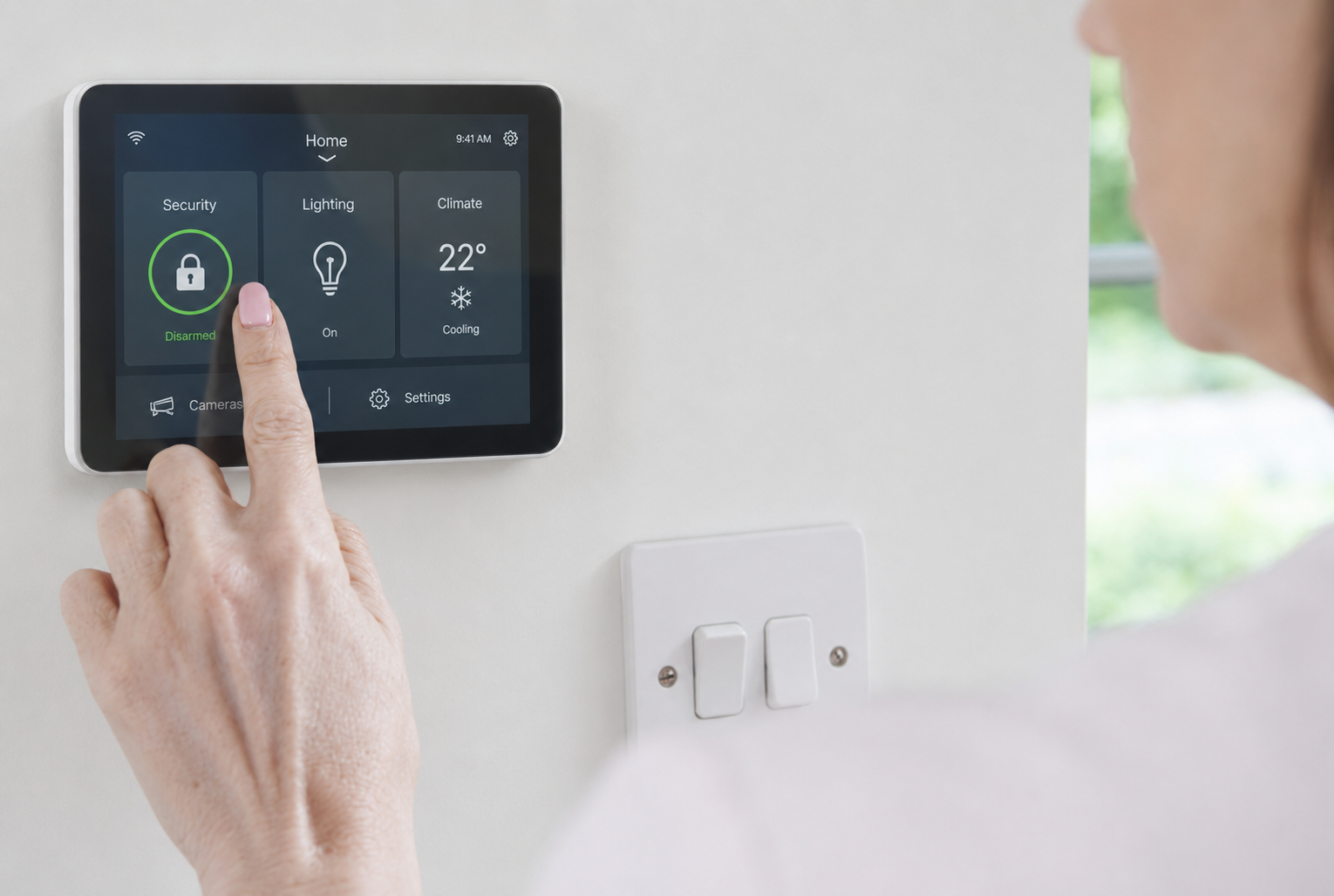
Intrusion alarm systems are the core of many home security setups.
They usually include a control panel, door and window sensors, motion detectors, glass-break sensors, and an alarm. When the system is armed, these devices watch for activity at key access points.
If a sensor is triggered, the system can sound an alarm and send an alert. With professional monitoring, the event may also be sent to a monitoring center that follows your account instructions.
Intrusion alarms work well because they do more than record activity. They help identify activity as it happens.
Security Cameras and Video Surveillance
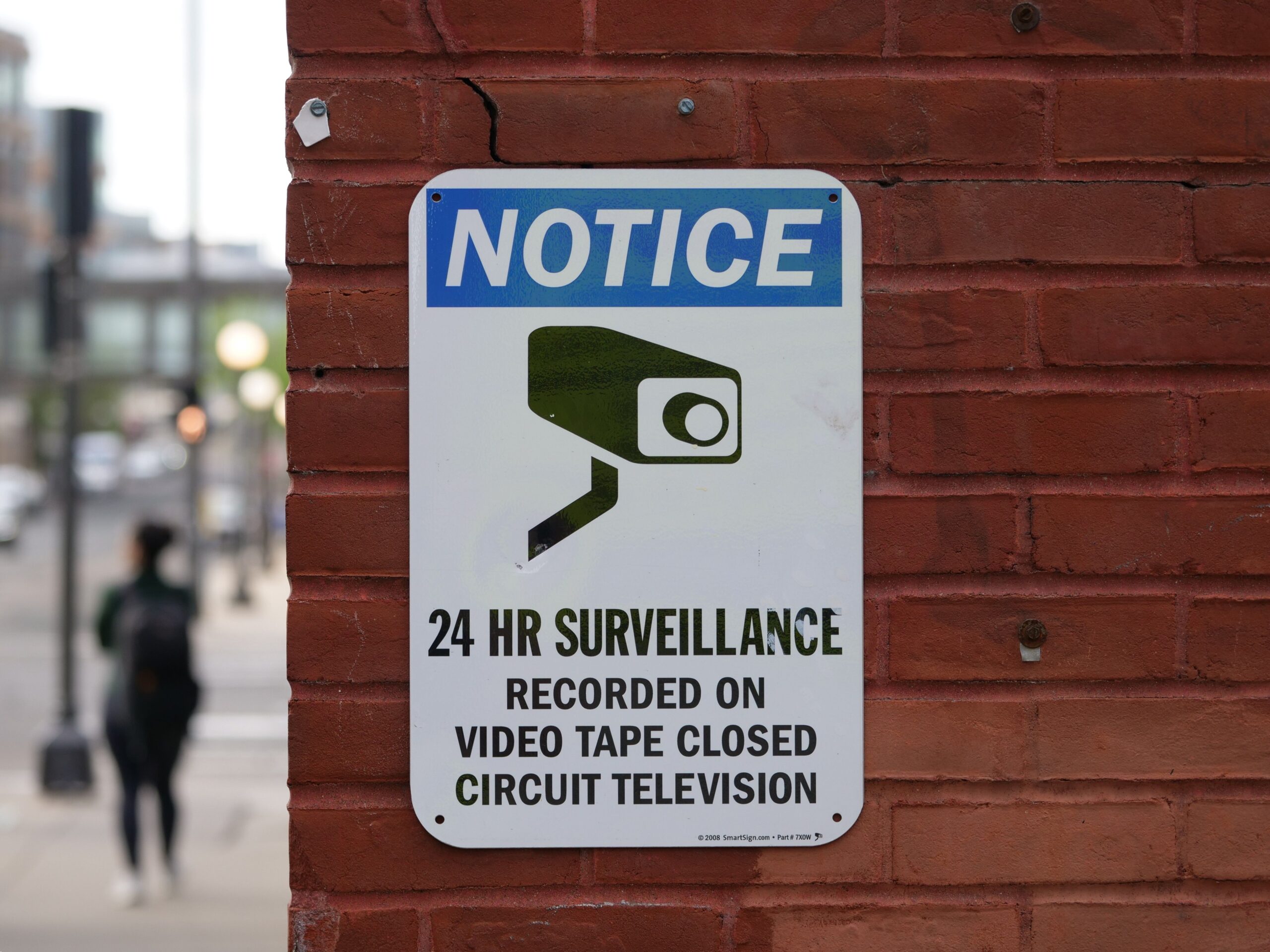
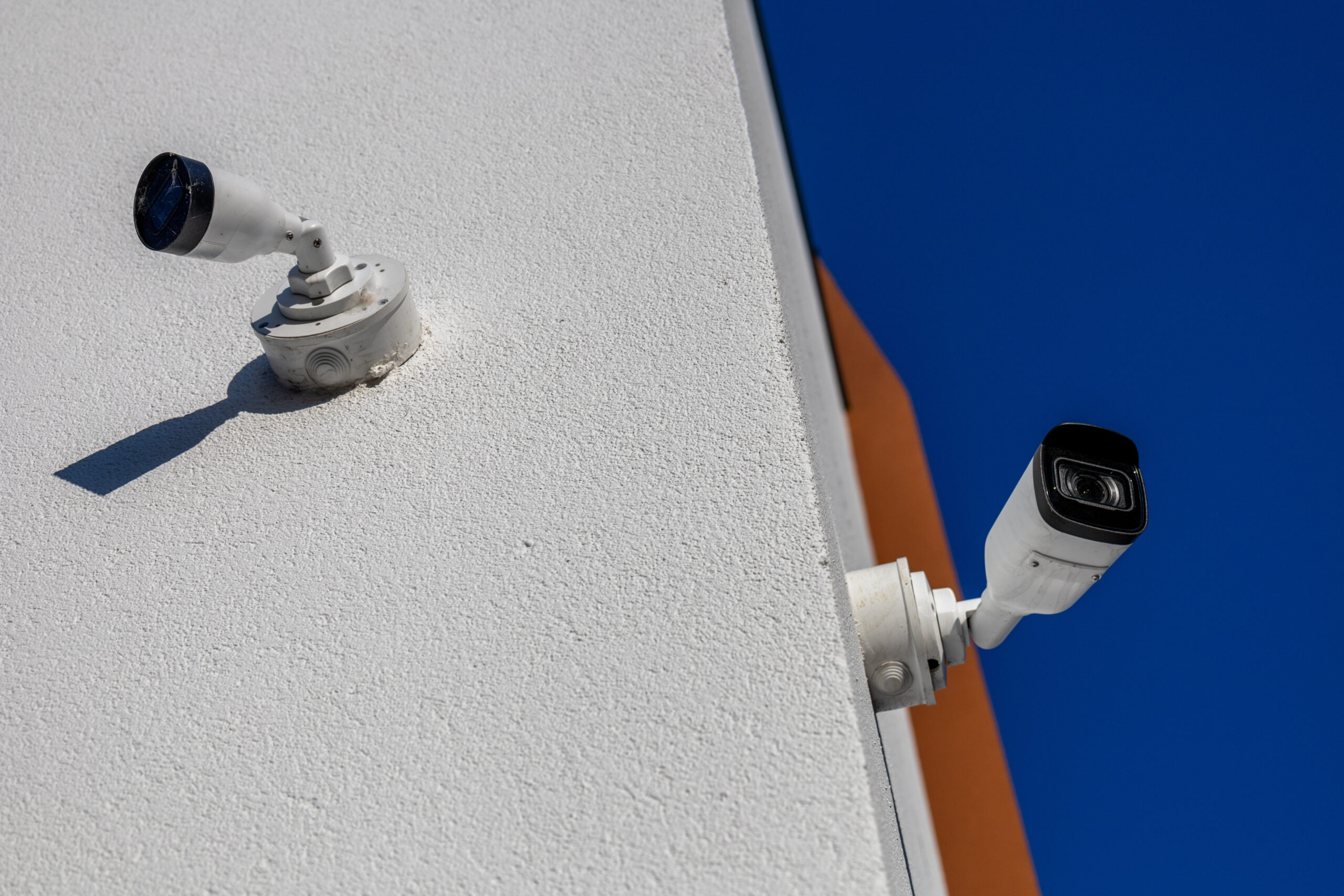
Security cameras and video surveillance help you see what is happening around your home or apartment.
Cameras can provide live views, recorded clips, motion alerts, and activity history. Some systems include AI-enabled detection, which can help sort people, vehicles, animals, or motion events.
Cameras are useful at doors, driveways, garages, shared entry areas, and other important spots. But camera placement matters. A camera that records constant hallway traffic in an apartment may create more noise than value.
The goal is useful visibility, not endless notifications.
Smart Locks and Access Control
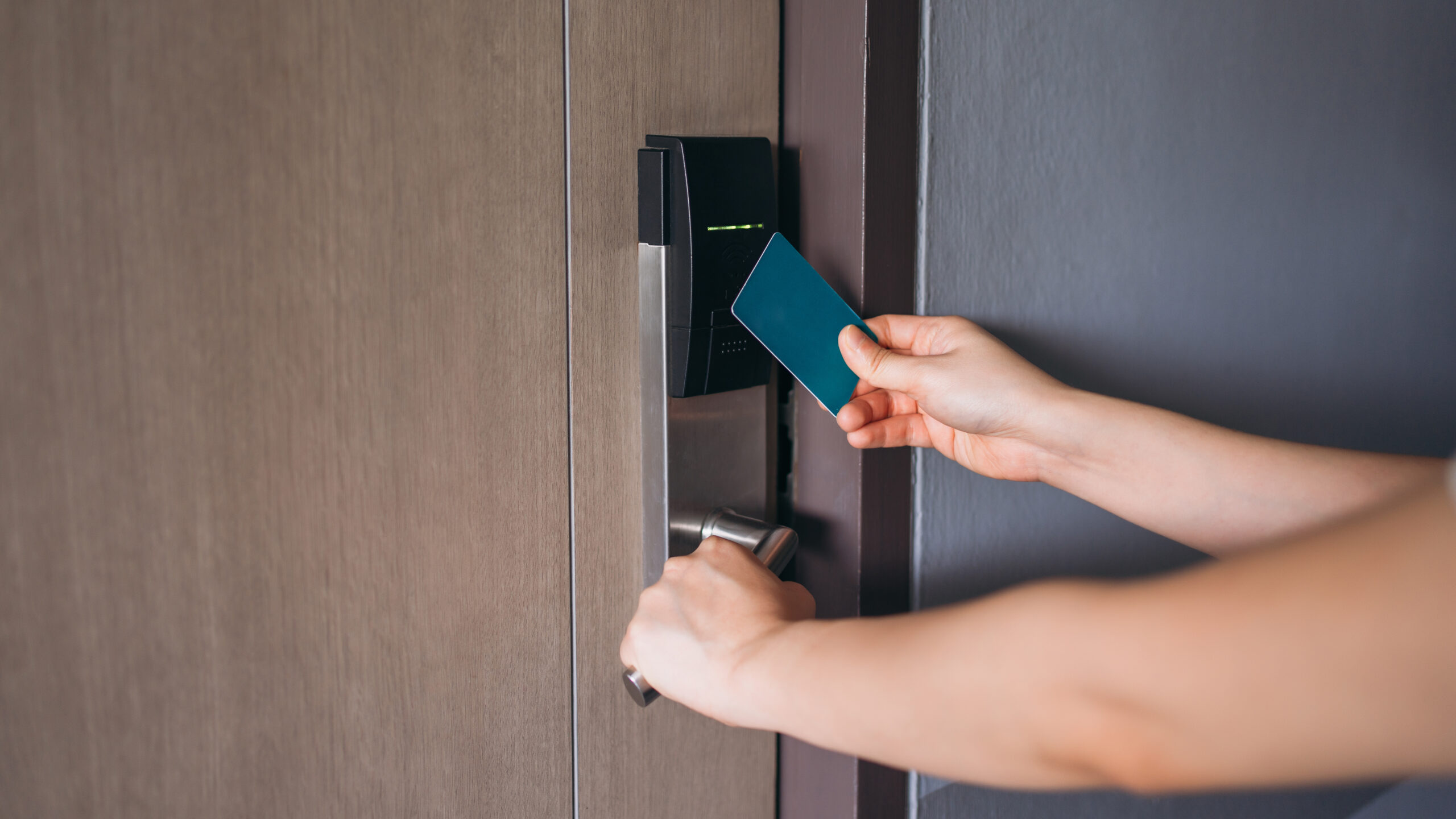
Smart locks and access control help you manage who can enter your home.
For a house, that may mean a smart deadbolt on the main entry door. For a condo or apartment, it may mean better control over your unit door, depending on lease rules and building requirements.
Smart locks can help you avoid hiding spare keys, give temporary access to trusted people, and check lock status from your phone.
Access control is also useful for families, caregivers, dog walkers, cleaners, and anyone who needs limited access at specific times.
Environmental Security Sensors
Environmental sensors protect against issues that are not break-ins.
These can include smoke, carbon monoxide, water, low temperature, and other condition-based sensors. They can be especially helpful when you travel, sleep, or leave pets at home.
A water sensor near a laundry area or water heater can alert you before a small leak becomes a bigger problem. A smoke or carbon monoxide sensor can add another layer of protection when paired with alerts and monitoring.
Home security is not only about doors and windows. It is also about knowing when something unsafe is happening inside the property.
Apartment Security Systems
Apartment security systems should be practical, focused, and renter-friendly.
Most renters do not need a large system. They need coverage at the most important access points. That may include a smart panel, door sensor, motion sensor, mobile alerts, and professional monitoring.
Apartment security also needs to account for shared spaces. Hallways, nearby doors, elevators, and passing neighbors can create too many camera notifications. That is one reason renters often benefit from more than a doorbell camera.
A simple sensor-based setup can give clearer alerts and better awareness without relying on video alone.
Monitored vs Unmonitored Security Systems
Monitored vs. unmonitored security systems are one of the most important decisions you will make.
An unmonitored system sends alerts to you. You decide what to do. That may work if you check your phone often and want a lower monthly cost.
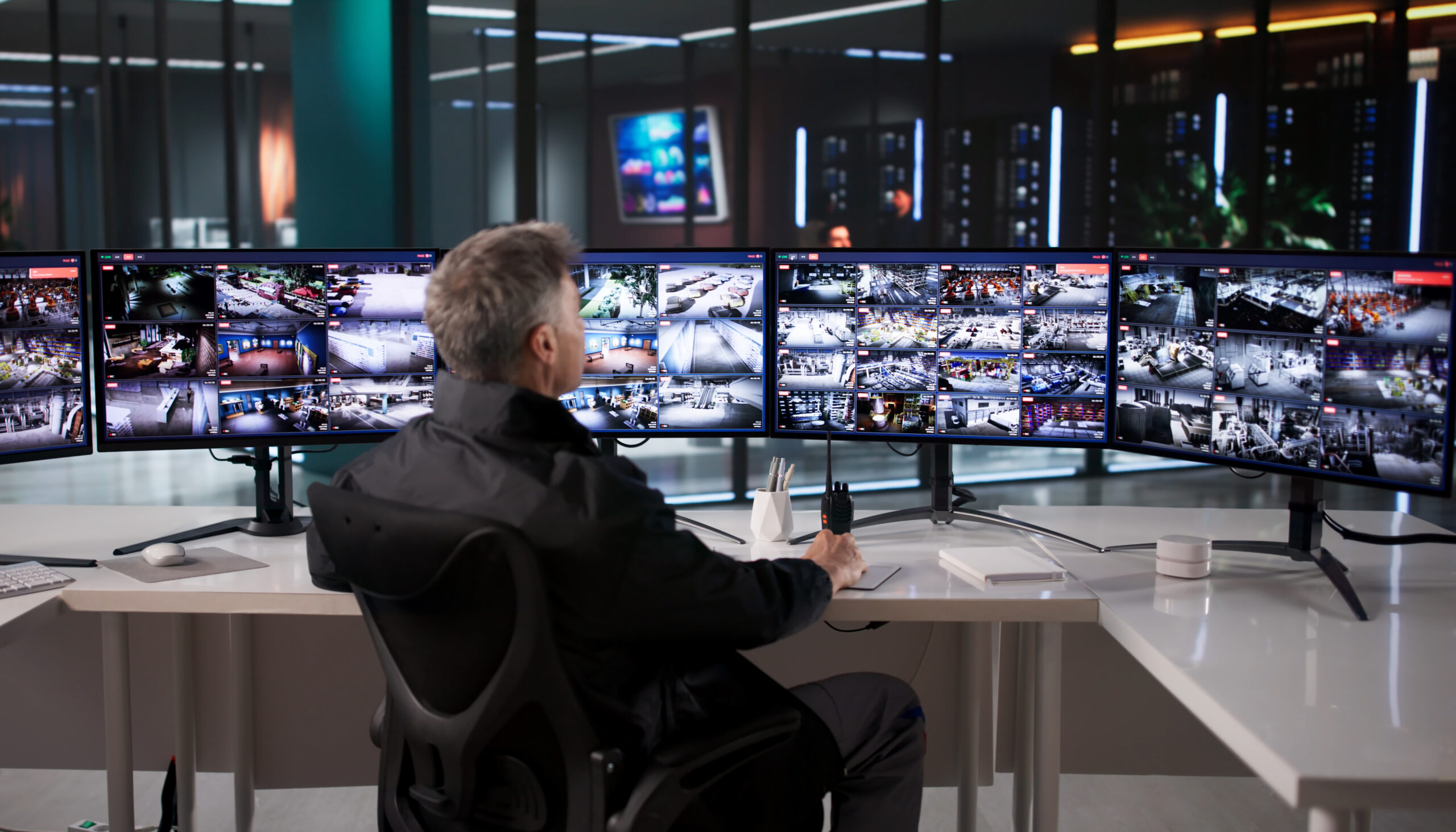
A monitored system connects alarm events to a professional monitoring center. When an event occurs, the center can follow the response steps tied to your account.
Professional monitoring can help when you are asleep, driving, working, traveling, or away from your phone. It does not guarantee an outcome, but it can add support when you cannot respond right away.
The right choice depends on your schedule, comfort level, property type, and budget.
How to Choose a Security System for You
How to choose a security system starts with your property, not the product.
Walk through your home or apartment. Identify every main entry point. Look at doors, windows, garages, balconies, and shared access areas. Think about where someone could enter and where activity would matter most.
Then look at your daily routine.
Do you work late? Do you travel? Do you have pets? Do you live alone? Do you have children coming home from school? Do you want alerts for every door opening, or only alarm events?
Next, decide what role cameras should play. Cameras are helpful, but they are not always the complete solution. A stronger setup often combines cameras with sensors, alarms, and monitoring.
Also consider installation. DIY equipment may fit simple needs. Professional installation can help when you want the system placed, tested, and explained by someone who works with security systems every day.
If you rent, check your lease before installing hardware. Ask whether equipment can be removed cleanly. Security Force may be able to move your system for free within a specified service area, depending on the package and location. Confirm details before purchase.
FAQs about Home Security Systems
These answers cover common questions from homeowners and renters comparing residential security systems.
What are the main types of residential security systems?
The main types of residential security systems include intrusion alarms, security cameras, access control, environmental sensors, and professional monitoring. Most homes and apartments benefit from a combination of these components.
For example, sensors detect activity, cameras provide AI-enabled visibility, smart locks control access, and monitoring helps support response when an alarm event occurs.
What should a residential security system include?
A residential security system should include the right mix of sensors, alerts, monitoring, and visibility for your property.
Common components include a control panel, door and window sensors, motion detectors, glass-break sensors, cameras, smart locks, and environmental sensors.
The exact setup depends on whether you live in a house, apartment, condo, or townhome, as well as your entry points, pets, routines, and monitoring preferences.
Are security cameras enough for home protection?
Security cameras are helpful, but they are usually not enough by themselves. Cameras provide visibility and recorded activity, but they do not replace door sensors, motion sensors, alarm alerts, or professional monitoring.
A stronger residential security setup often combines cameras with intrusion detection and monitoring so the system can detect, alert, and support response.
What is the best security system for an apartment?
The best apartment security system is usually renter-friendly, focused, and easy to manage. A practical setup may include a smart panel, door sensor, motion sensor, mobile alerts, and professional monitoring.
Apartment residents may not need a large system. The goal is to protect the most important access points and reduce reliance on camera notifications alone, especially in buildings with frequent hallway or neighbor activity.
Not Sure Which Security System Is Right for You?
You do not need to guess your way through equipment, alerts, and monitoring plans.
Security Force can help you compare options based on your home, apartment, routine, and budget. You can start small or build a fuller system with sensors, cameras, access control, and monitoring.
For security solutions in Indianapolis, contact us to talk through your options.