When people think about security, they often picture cameras, access control systems, alarms, and other advanced technologies.
Yet sometimes one of the most effective security measures is far simpler.
Recently, a local coffee shop encountered an unusual problem. Customers using the restroom kept stealing the plug-in air freshener.
The solution was not a new camera, a lock, or an alarm.
Instead, the coffee shop simply wrote “PROPERTY OF [COFFEESHOP NAME]” directly on the air freshener.
The result highlights an important security principle that is often overlooked: security is not always about technology. Sometimes it is about influencing behavior.
Security Changes Behavior
Every security measure exists to make an undesirable action less likely to occur.
In this case, the air freshener was not physically protected. Someone could still unplug it and walk away with it.
However, labeling the item changes the situation psychologically.
A person considering theft must now acknowledge that the item clearly belongs to someone else. Additionally, using the stolen air freshener later becomes more awkward because it is visibly marked as property of the coffee shop.
The objective was not to make theft impossible. Instead, it was to make theft less attractive.
Many successful security strategies operate in exactly the same way.
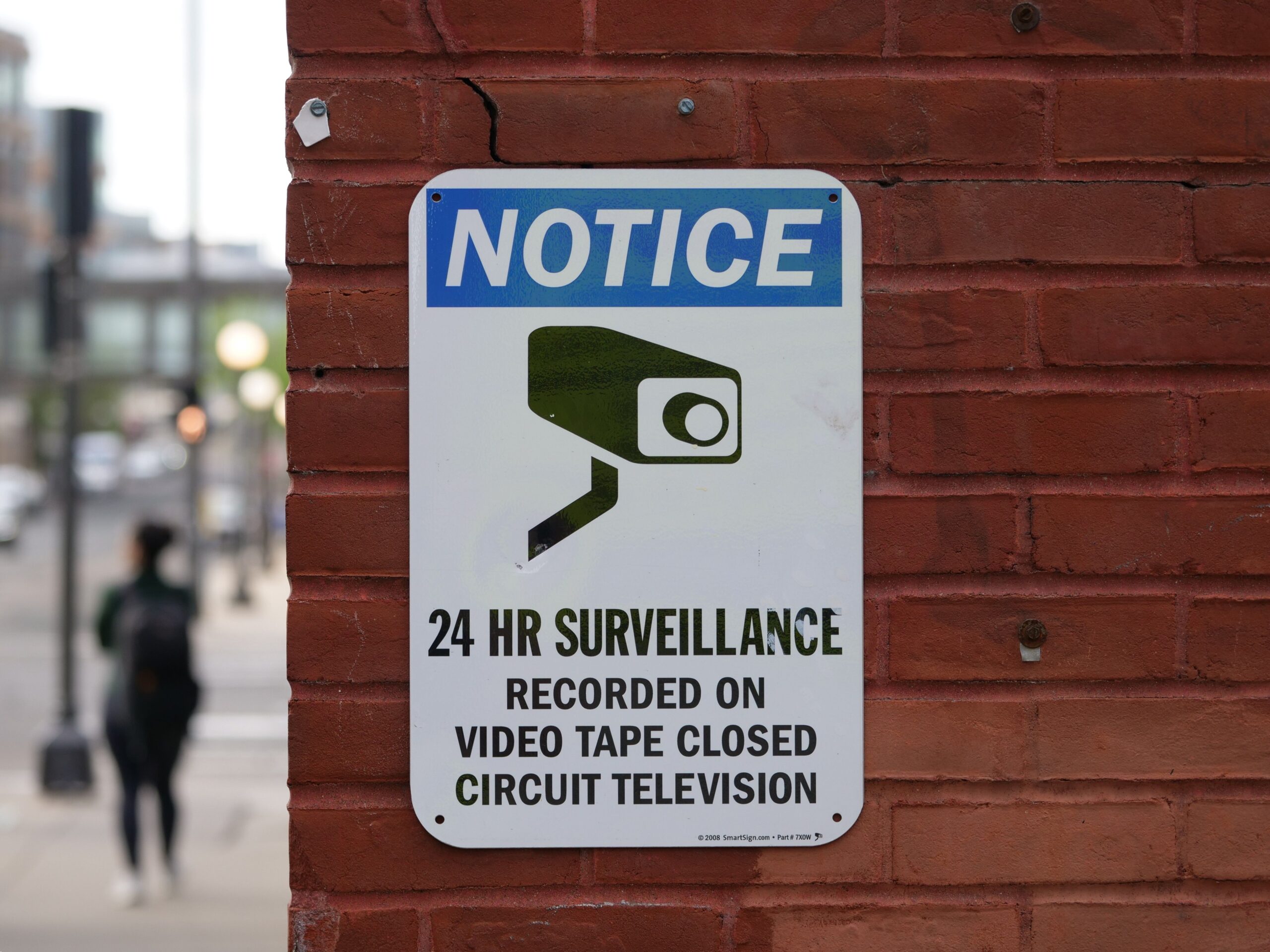
Visible cameras discourage misconduct even when they never record an incident. Access control signs remind people that entry is restricted. Security uniforms increase awareness and accountability.
In each case, the security measure influences behavior before an event occurs.
The Oldest Security Technology
Modern security systems rely on sophisticated software, artificial intelligence, cloud platforms, and advanced analytics.
However, the technology used in this coffee shop solution is thousands of years old.
It is writing.
A simple written message communicates ownership, expectations, and accountability. It creates a social barrier that can be surprisingly effective.
Throughout history, people have marked property to establish ownership and discourage theft. The coffee shop’s air freshener is simply a modern example of a very old security practice.
Sometimes the simplest solutions remain effective because they address human behavior directly.
Every Security Measure Has Trade-Offs
Of course, no security solution is perfect.
While the label may discourage theft, it also communicates something else to every customer who sees it.
It tells them the coffee shop has experienced theft in the past.
That message may not be harmful, but it does create a different impression than an unmarked restroom. Some customers may view the sign as practical, while others may see it as unnecessary or unattractive.
This illustrates another important security principle: every security measure involves trade-offs.
Businesses constantly balance protection, convenience, appearance, cost, and customer experience. The best solution is often the one that reduces risk while creating the fewest negative side effects.
Security Is About Solving Problems
The lesson from a marked air freshener is not that every problem needs a handwritten label.
The lesson is that effective security starts with understanding the problem itself.
Sometimes the answer is a sophisticated integrated security system. Other times it is a simple adjustment that changes behavior and reduces opportunity.
Good security professionals evaluate both options.
Because at its core, security is not about technology.
It is about solving problems.