
A secure door should control who enters a protected area. However, sometimes the way a door is secured raises more questions than answers.
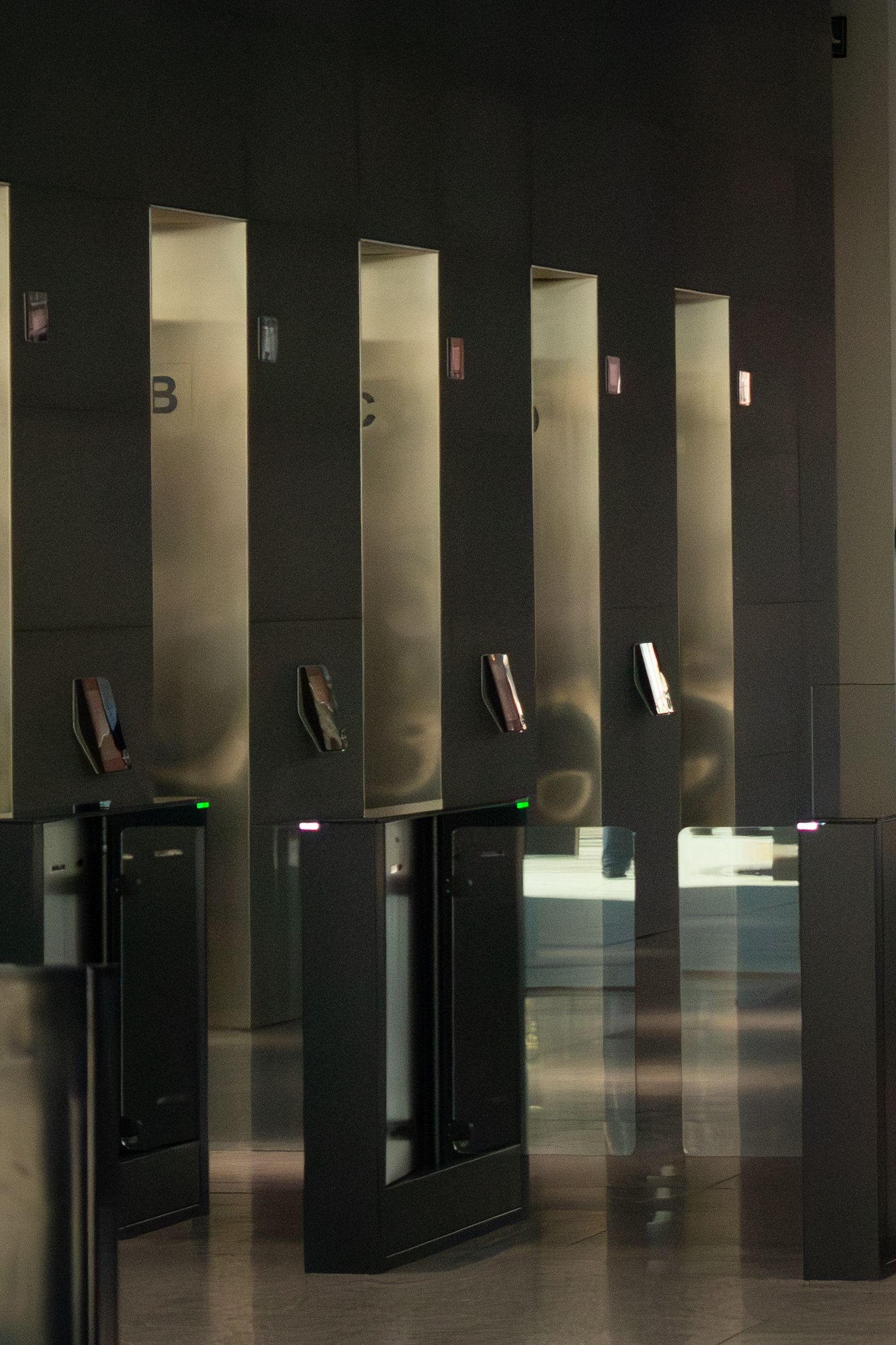
Consider a door equipped with an electronic access control reader and keypad. Users must present a credential, such as a card or fob, and enter a PIN to gain access. This setup creates two-factor authentication by requiring something a person has and something they know.
Now add another method of entry.
Nearby, a lockbox contains a physical key that opens the same door.
At that point, an important question emerges. If the card-and-PIN system protects the area, why keep a key so close to the entrance? Did someone add the lockbox as a backup? Did employees stop using the PIN because it slowed them down? Or did the organization install one solution and never remove the other?
The answers may vary, but the security lesson remains the same.
Security Depends on the Weakest Access Method
Many organizations focus on their strongest security control.
In this example, that might be the access control system requiring both a credential and a PIN. While that sounds secure, the overall level of protection depends on every available method of entry.
If a door offers multiple ways to gain access, the least secure option often determines the actual level of security.
This principle appears in many environments. Some businesses invest in advanced access control systems while employees continue sharing credentials. Others install secure entrances but leave secondary doors unlocked for convenience. In some cases, organizations create strong security policies but allow workarounds that bypass them entirely.
As a result, the technology may perform exactly as intended while the overall system falls short.
Convenience Often Changes Security
Most security compromises do not begin with bad intentions.
Instead, people create shortcuts to make daily tasks easier.
A facility may add a backup key for emergencies. Staff members may become frustrated with entering a PIN multiple times each day. A temporary solution may solve a short-term problem and eventually become part of normal operations.
These decisions often make sense at the time.
However, convenience can slowly weaken security when organizations stop reviewing why certain access methods exist in the first place.
Backup access methods certainly have value. Power outages, hardware failures, and emergency situations can make alternative entry options necessary. The challenge comes from ensuring those alternatives maintain accountability rather than bypass it.
Every Access Method Should Have a Purpose
Cards, fobs, PINs, mobile credentials, keys, lockboxes, and biometric readers all serve legitimate purposes. However, each method should support a specific security objective.
More importantly, organizations should review these methods regularly.
Buildings change. Staff members come and go. Technology evolves. Daily operations also shift over time.
Without periodic reviews, facilities often accumulate layers of security controls that no longer work together effectively. What solved a problem five years ago may create one today.
Look at the Entire System
The most important question is not whether a key, PIN, or card reader provides the best access method.
Instead, organizations should ask whether all access methods support the same security goals.
Effective security requires more than individual devices. Strong security comes from creating a system where technology, procedures, and people work together to maintain accountability and control access consistently.
At Security Force, we help organizations evaluate how their access control systems function as a whole. Contact Security Force to learn how a security assessment can identify outdated practices, strengthen accountability, and improve the overall security of your facility.