
The Unreasonable Effectiveness of Warning Signs in Improving Security
At Security Force, we spend a lot of time with technology—cameras, alarms, access control systems, and all the digital tools that help keep people safe. But one of the most

At Security Force, we spend a lot of time with technology—cameras, alarms, access control systems, and all the digital tools that help keep people safe. But one of the most
Facial recognition is one of the fastest-growing tools in modern security systems. While its most obvious uses—such as granting or denying entry—are well known, the technology has broader potential. In
In the world of technology, not every system follows the same timeline. Developers expect information technology—servers, laptops, and software—to evolve rapidly. In contrast, engineers create security technology to remain in
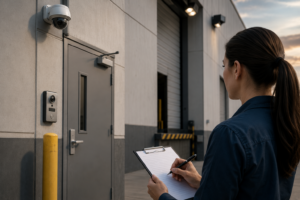
When it comes to quoting a commercial security system, accuracy matters. A wrong assumption or overlooked detail can mean cost overruns, design flaws, or a system that doesn’t fully protect
If your building uses electronic access cards or key fobs, you’re probably assuming those credentials are secure. But here’s the hard truth: many access control systems still rely on outdated,

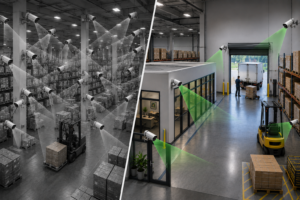
It’s a common assumption in security planning: if a facility wants strong protection, it needs cameras covering every square foot of the property. At first glance, that idea sounds logical.

Not everyone has the authority, budget, or job title needed to fix security problems. However, that does not mean people should stay quiet when they notice something wrong. Maybe a

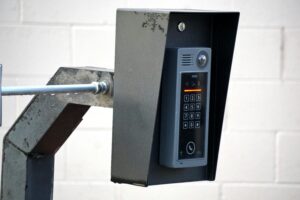
With smartphones in every pocket, apps for everything, and AI automating everything from lighting to access control, it’s fair to ask: “Do we really still need an intercom system?” If

If you’re responsible for security infrastructure—whether for a business, school, hospital, or government facility—you may have come across the term NDAA compliance. It might sound like government jargon, but it