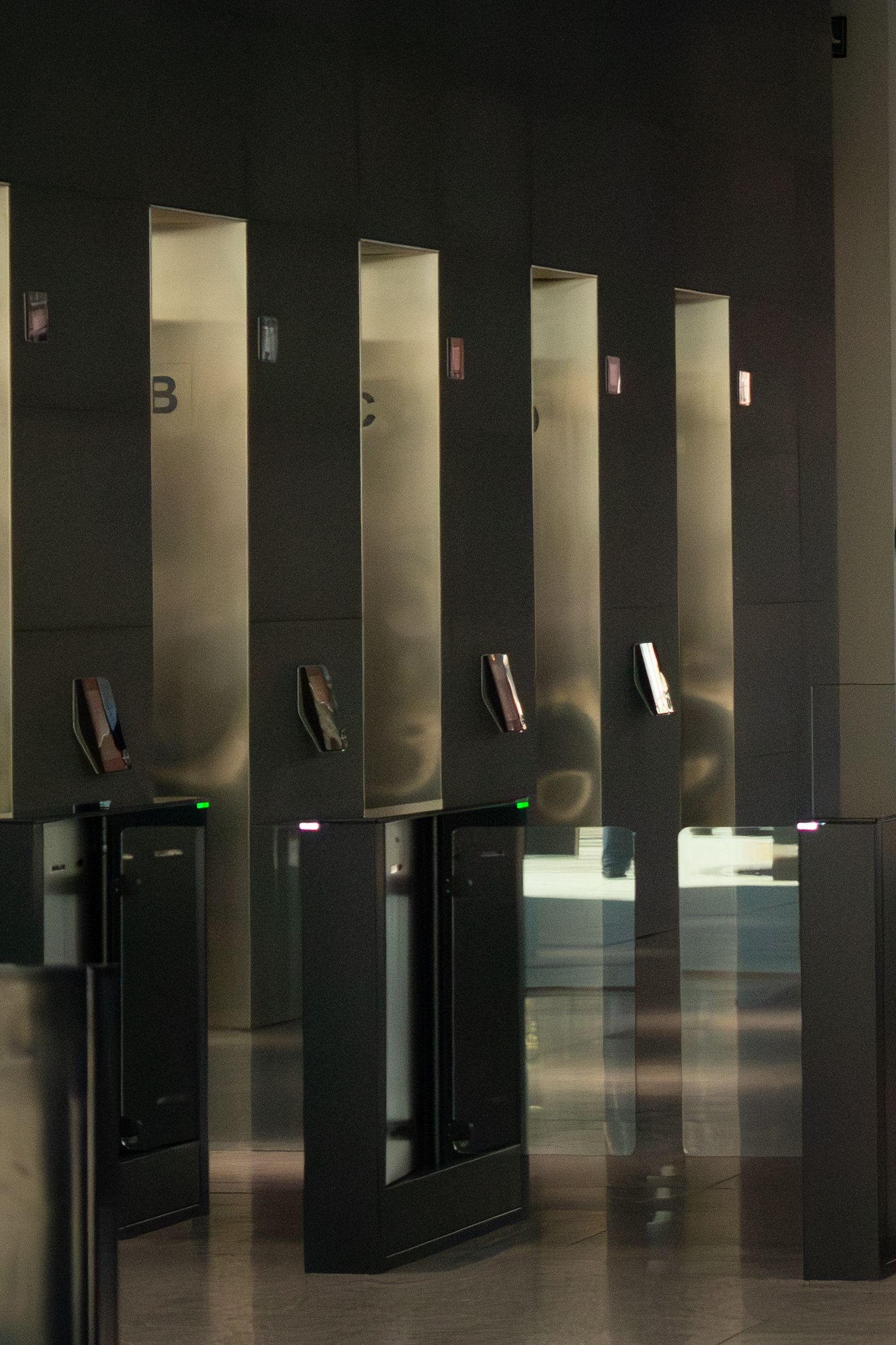
Not everyone has the authority, budget, or job title needed to fix security problems. However, that does not mean people should stay quiet when they notice something wrong.
Maybe a door no longer latches correctly. Perhaps a security camera has stayed offline for days. In other cases, parking lot lights may stop working at night or an access-controlled entrance may stay propped open repeatedly.
These issues matter.
Even if you are not part of the security, maintenance, or facilities team, you still play an important role in protecting the people and property around you. In many situations, employees outside the security department notice problems first because they interact with the building every day.
That outside perspective can be incredibly valuable.
Step One: Speak Up and Document It
A quick hallway conversation may raise awareness temporarily, but written communication creates accountability and helps ensure the issue does not disappear.
Instead of casually mentioning the problem, document it through an official communication channel such as:
- An email to facilities, security, or management
- A maintenance or service ticket
- A workplace safety report
- A message in Slack or Teams that can be archived later
The message does not need to sound dramatic or confrontational. In fact, a calm and professional tone works best.
For example:
“Just wanted to mention that the west loading dock door is sticking and not always closing completely. It may create a security concern if it remains open. I’m not sure who handles it, but I wanted to make sure someone knew.”
That simple message accomplishes several important things at once. First, it raises awareness. Second, it creates a record. Finally, it gives the organization an opportunity to respond before a larger issue develops.
Step Two: Keep a Record
After reporting the issue, save a copy of the message or ticket.
While that may seem unnecessary at first, documentation can become extremely important later if the organization fails to address the problem and an incident eventually occurs.
For example, written records can help during:
- Incident investigations
- Insurance reviews
- Internal accountability discussions
- Liability questions after a security event
Importantly, documenting concerns is not about assigning blame. Instead, it shows that you noticed a potential problem and took reasonable action to report it.
That reflects awareness, professionalism, and leadership regardless of your position.
Security Is Everyone’s Responsibility
Strong security cultures do not rely entirely on one department. Instead, they encourage everyone to pay attention and communicate concerns when something feels off.
You do not need to understand how the camera system works to notice that one monitor has been black for a week. Likewise, you do not need access to the security software to recognize that a side door never fully closes.
Security starts with awareness.
When employees feel comfortable reporting concerns, organizations gain more visibility into risks that might otherwise go unnoticed.
Not Every Problem Gets Fixed Immediately
Realistically, some security issues take time to resolve. Budgets may delay repairs. Priorities may shift. In some cases, problems may fall through the cracks completely.
Still, that does not make reporting them pointless.
Your responsibility is not always to solve the issue personally. Instead, your role may simply involve making sure the concern becomes visible to the people responsible for addressing it.
That alone can make a major difference.
Final Thoughts
If you notice a security issue, document it. Send the message. Create the ticket. Save the record.
You do not need to overreact or create conflict. Small observations often help organizations prevent larger problems later.
Most importantly, do not assume someone else already reported it.
Strong security depends on people who pay attention and choose to speak up when something does not look right. If you want to help your team improve awareness, reporting procedures, and overall security culture, contact Security Force to learn how better systems and training can support your facility.