When a security incident happens, many organizations immediately question the equipment. Was the camera working? Did the access control system fail? Was the alarm triggered?
In many cases, the hardware is not the problem. The system did exactly what it was designed to do. The issue starts with how the system is used, managed, and enforced.
Security failures often begin at the policy level, not the hardware level.
Technology Only Works Within the Rules You Set
Modern security systems are reliable and capable. Cameras record clearly. Access control systems track entry. Alarm systems detect and notify.
But these systems rely on policies to define how they should operate.
If policies are unclear, outdated, or not enforced, even the best technology will fall short.
For example:
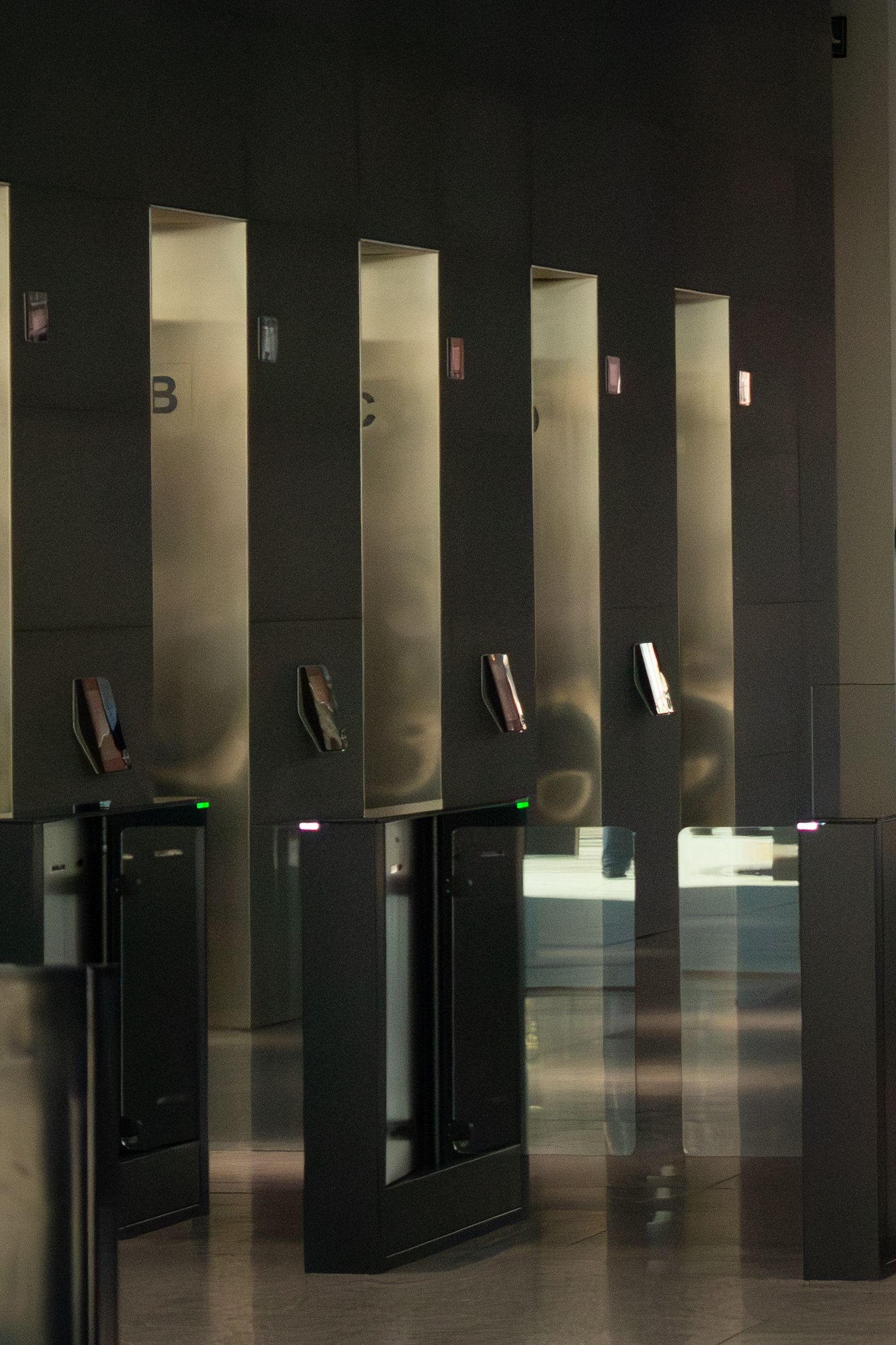
- A door may have access control, but if employees hold it open, the system is bypassed
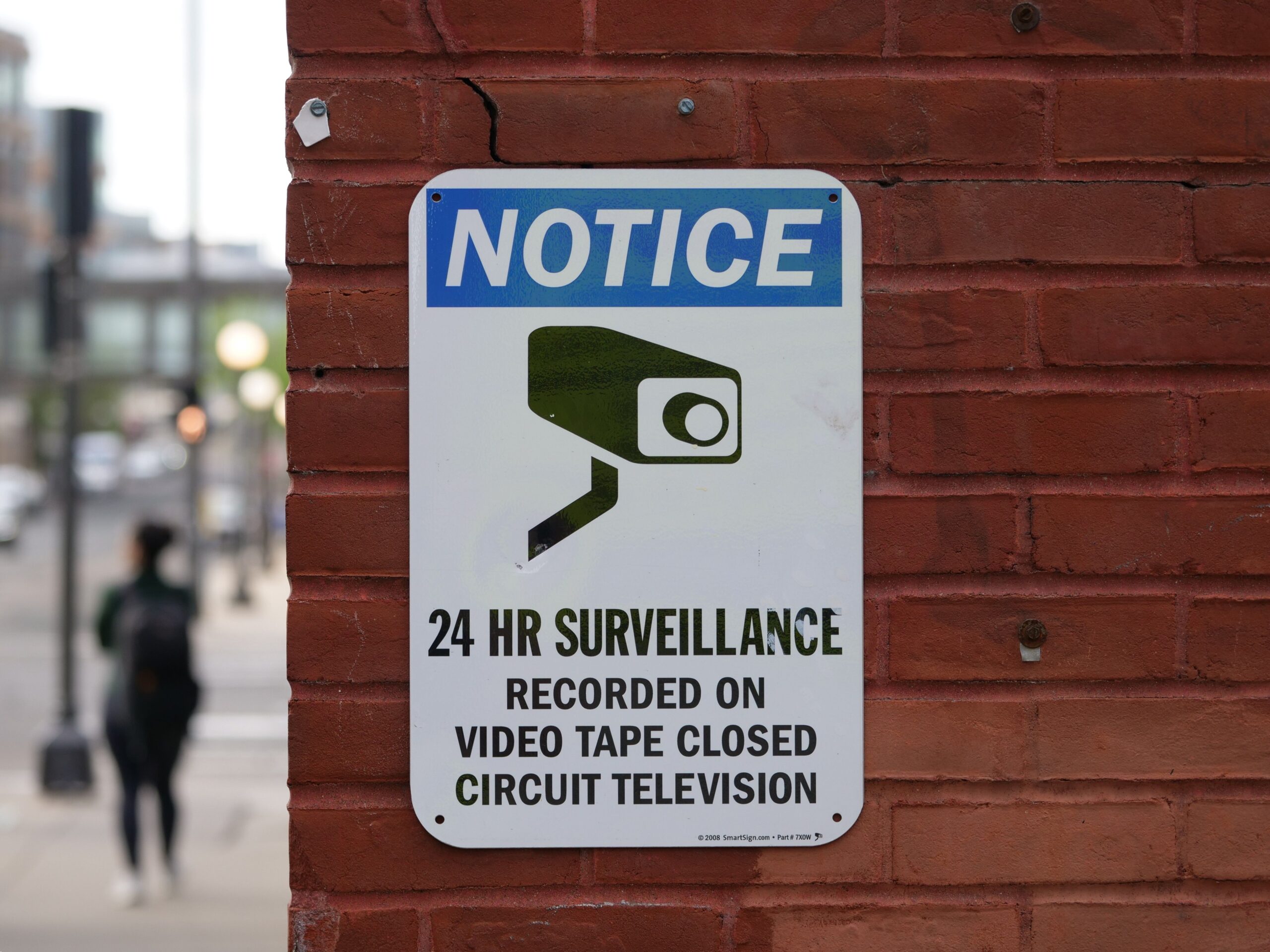
- Cameras may be installed, but if no one reviews footage, issues go unnoticed
- Alarm systems may be active, but if response procedures are unclear, delays occur
Technology supports security, but policies drive how effective it is.
Common Policy Gaps That Lead to Problems
Many security issues trace back to simple policy gaps that develop over time.
Some of the most common include:
- Shared credentials
Employees sharing key cards or access codes removes accountability and creates risk - Propped or unsecured doors
Convenience often leads to doors being left open, defeating access control - Unclear visitor procedures
Vendors, contractors, and guests may enter without proper check-in or oversight - Inconsistent enforcement
Rules may exist, but if they are not consistently followed, they lose effectiveness - Outdated access permissions
Former employees or role changes may leave people with unnecessary access
These are not hardware failures. They are policy breakdowns.
Visibility Without Action Creates Risk
Installing a security system creates visibility, but visibility alone does not prevent incidents.
If no one is responsible for:
- Reviewing alerts
- Monitoring activity
- Responding to issues
then problems can develop without being addressed.
For example, a camera may capture repeated unauthorized access, but if no one reviews the footage, the issue continues. An access control system may log unusual activity, but without oversight, it goes unnoticed.
Policies should define who is responsible for monitoring systems and how often they are reviewed.
Training and Accountability Matter
Even well-defined policies can fail without proper training and accountability.
Employees need to understand:
- Why policies exist
- How to follow them
- What to do when something does not look right
When staff are not trained, they may unintentionally create gaps in security. Holding doors open, allowing tailgating, or ignoring procedures often comes from habit, not intent.
Accountability ensures that policies are taken seriously and followed consistently.
Aligning Policy with Technology
The most effective security strategies align policy with system capabilities.
This includes:
- Setting clear access levels based on roles
- Defining procedures for visitors and vendors
- Establishing response plans for alarms and incidents
- Regularly reviewing access permissions and activity logs
When policies and systems work together, security becomes more consistent and reliable.
A Stronger Approach to Security
It is easy to assume that better equipment will solve security problems. In reality, stronger policies often have a greater impact.
Before investing in new hardware, it is worth evaluating how your current systems are being used. Clear policies, consistent enforcement, and proper training can significantly improve performance without major changes to equipment.
If you want help evaluating your current setup or strengthening your security approach, contact Security Force to start a conversation about building a system that works both in design and in practice.