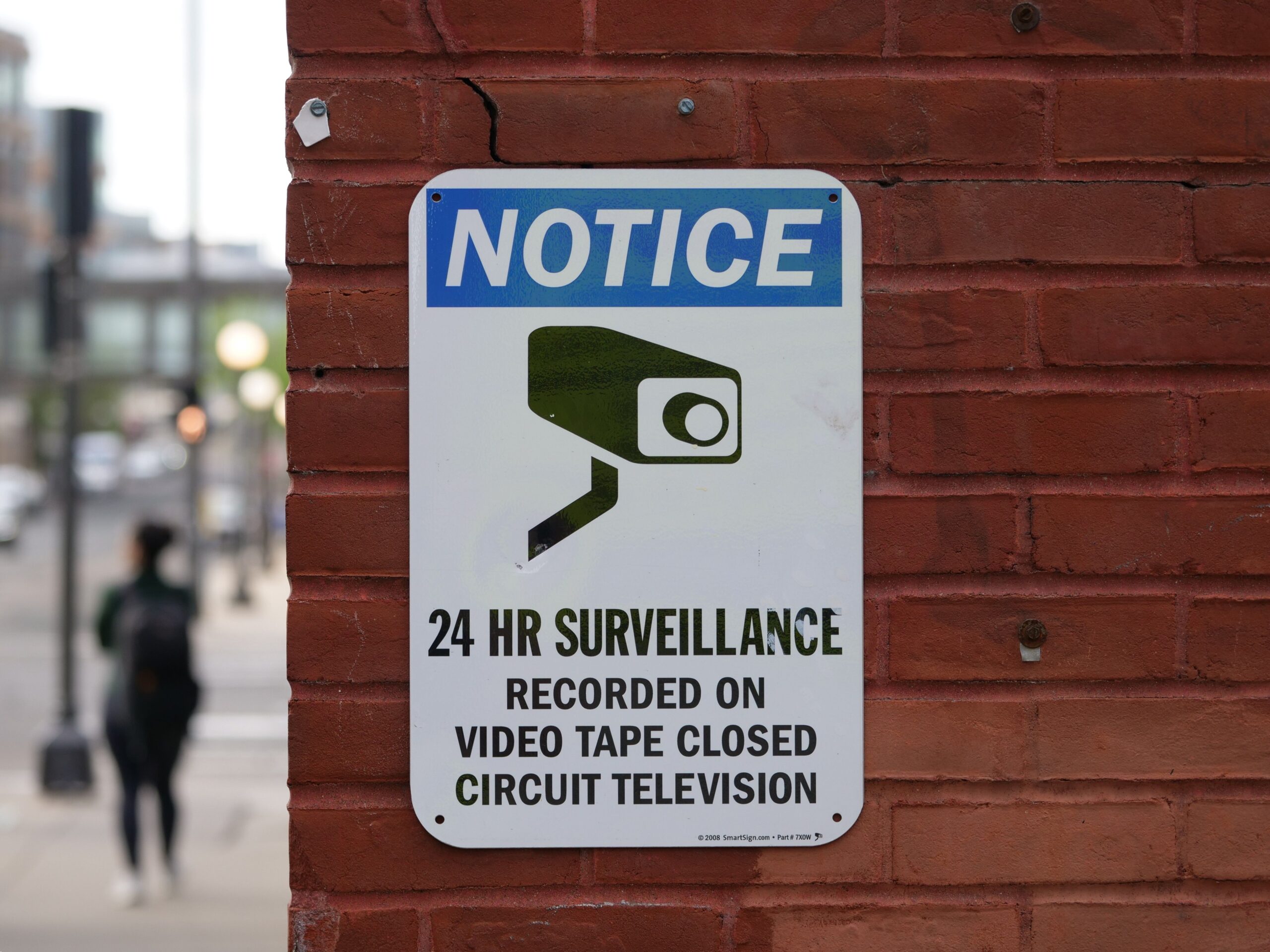

It’s a common assumption in security planning: if a facility wants strong protection, it needs cameras covering every square foot of the property.
At first glance, that idea sounds logical. More cameras should mean more security, right?
In reality, full video coverage is unnecessary for most commercial and industrial environments. In many cases, it also creates extra costs, more complexity, and larger amounts of footage that nobody realistically reviews.
Instead of trying to watch everything, organizations should focus on watching the areas that matter most.
When Full Video Coverage Makes Sense
A few environments genuinely require near-total camera coverage because the risks, regulations, or operational demands are extremely high.
High-Security Government or Defense Facilities
Government and defense facilities often need continuous monitoring because even small security gaps can create serious consequences. These locations may require overlapping surveillance coverage, real-time monitoring, and detailed audit trails.
Correctional Facilities
Jails and prisons rely heavily on constant video surveillance to improve safety, reduce violence, and support investigations. Staff must maintain visibility across inmate housing areas, hallways, recreation spaces, and common areas.
Casino Gaming Floors
Casinos operate under strict surveillance regulations. Cameras monitor gaming tables, slot machines, cash handling rooms, entrances, and employee-only areas to help prevent fraud and maintain compliance.
High-Value Labs or Manufacturing Environments
Certain pharmaceutical, biotech, and advanced manufacturing facilities also require extensive camera coverage. These organizations may need to protect intellectual property, monitor sensitive processes, or document strict production procedures.
However, outside of those specialized environments, most facilities do not benefit from blanket surveillance.
Focus on Areas Where Activity Happens
For the average business, warehouse, school, or office building, strategic camera placement delivers far more value than trying to cover every inch of space.
The goal should not be “more cameras.” The goal should be better visibility into important activity.
Doors and Entry Points
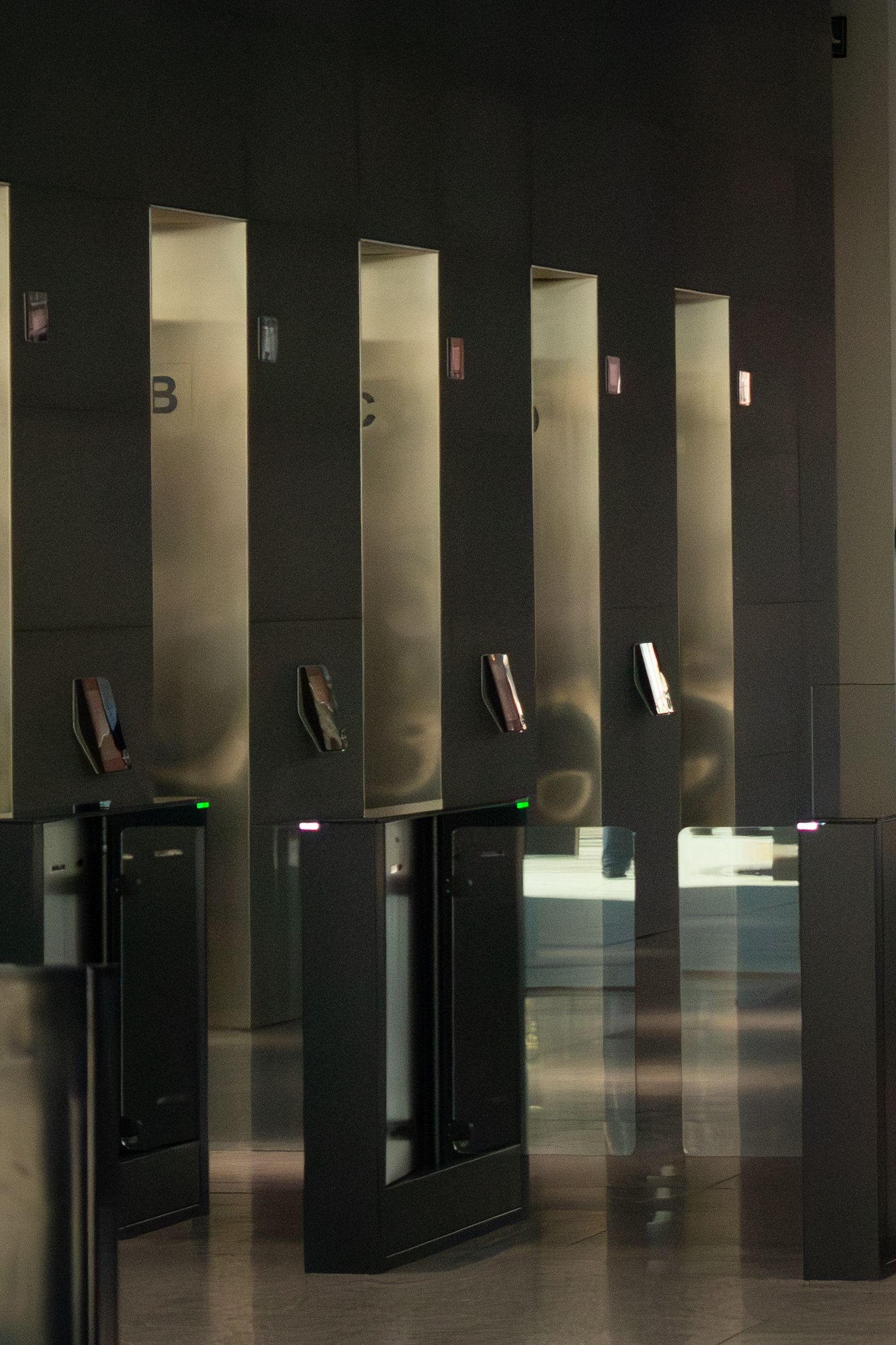
Entrances and exits remain some of the most important camera locations in any facility. These cameras help organizations confirm who entered the building, verify access control events, and investigate unauthorized access attempts.
Reception Areas and Lobbies
Public-facing spaces often experience the highest amount of visitor traffic. Cameras in these areas support incident investigations while also helping staff manage visitor activity.
Loading Docks and Storage Areas
Loading docks, inventory rooms, and equipment storage areas frequently become targets for theft. Strategic camera placement in these locations helps protect high-value assets and creates accountability.
Work Zones and Hazard Areas
Manufacturing floors, vehicle traffic zones, and production spaces may require cameras for safety investigations or operational review. In these cases, cameras help organizations improve both safety and security.
Hallways and Chokepoints
Instead of filling an entire warehouse with cameras, many facilities benefit more from monitoring intersections, corridors, gates, and pathways where people naturally pass through.
This approach improves visibility while reducing unnecessary hardware and storage costs.
Why More Cameras Can Create More Problems
Although adding cameras may seem harmless, excessive surveillance introduces several challenges.
First, more cameras increase installation costs, storage requirements, licensing fees, and maintenance needs.
Additionally, larger systems generate enormous amounts of footage, making investigations slower and more difficult. Security teams may spend more time sorting through unnecessary video instead of finding useful evidence quickly.
Over-surveillance can also create privacy concerns in employee areas such as offices, break rooms, or shared workspaces.
Finally, large camera deployments place additional strain on networks and storage systems, especially in facilities relying on wireless infrastructure.
Because of this, organizations should focus on purposeful coverage instead of blanket coverage.
Think in Layers, Not in Volume
The strongest security strategies rely on layers working together.
Video surveillance works best when combined with:
- Access control systems
- Intrusion alarms
- Proper lighting
- Visitor management procedures
- Employee awareness and training
- On-site personnel or reception staff
Each layer supports the others.
A facility does not become secure simply because it installs hundreds of cameras. Instead, strong security comes from thoughtful system design, clear visibility into high-risk areas, and consistent operational awareness.
Final Thoughts
Most facilities do not need cameras covering every square foot of the property. Instead, they need cameras positioned where activity, risk, and accountability matter most.
Smart camera placement almost always outperforms excessive camera placement.
If you are unsure whether your current system provides too much coverage, too little coverage, or simply coverage in the wrong places, contact Security Force to schedule a professional review. A well-designed surveillance system should work smarter, not just harder.