
In today’s uncertain world, physical security threats are more diverse and complex than ever. As a result, a single layer of defense is no longer enough to safeguard your facilities, assets, and people. Organizations need multiple security measures working together to create a stronger overall security posture.
This approach is known as layered physical security.
What Is Layered Physical Security?
Layered physical security is a strategy that uses multiple layers of protection to prevent, detect, and respond to threats. Each layer provides an additional obstacle for intruders, making it increasingly difficult to access people, property, or sensitive areas.
Rather than relying on one solution, layered security combines several controls to create a more effective defense.
Why Is Layered Physical Security Important?
Layered security helps protect employees, visitors, and valuable assets from a wide range of risks. In addition, a visible security presence can discourage criminal activity before it occurs.
Furthermore, implementing multiple layers demonstrates due diligence and can help reduce liability concerns. Most importantly, it improves business continuity by minimizing disruptions when incidents happen.
The Layers of Physical Security
A strong physical security strategy includes several layers that work together to strengthen protection.
Layer 1: Perimeter Security
The first line of defense focuses on keeping unauthorized individuals away from the property.
Examples include:
- Fencing and walls
- Gates and access control points
- Exterior surveillance cameras
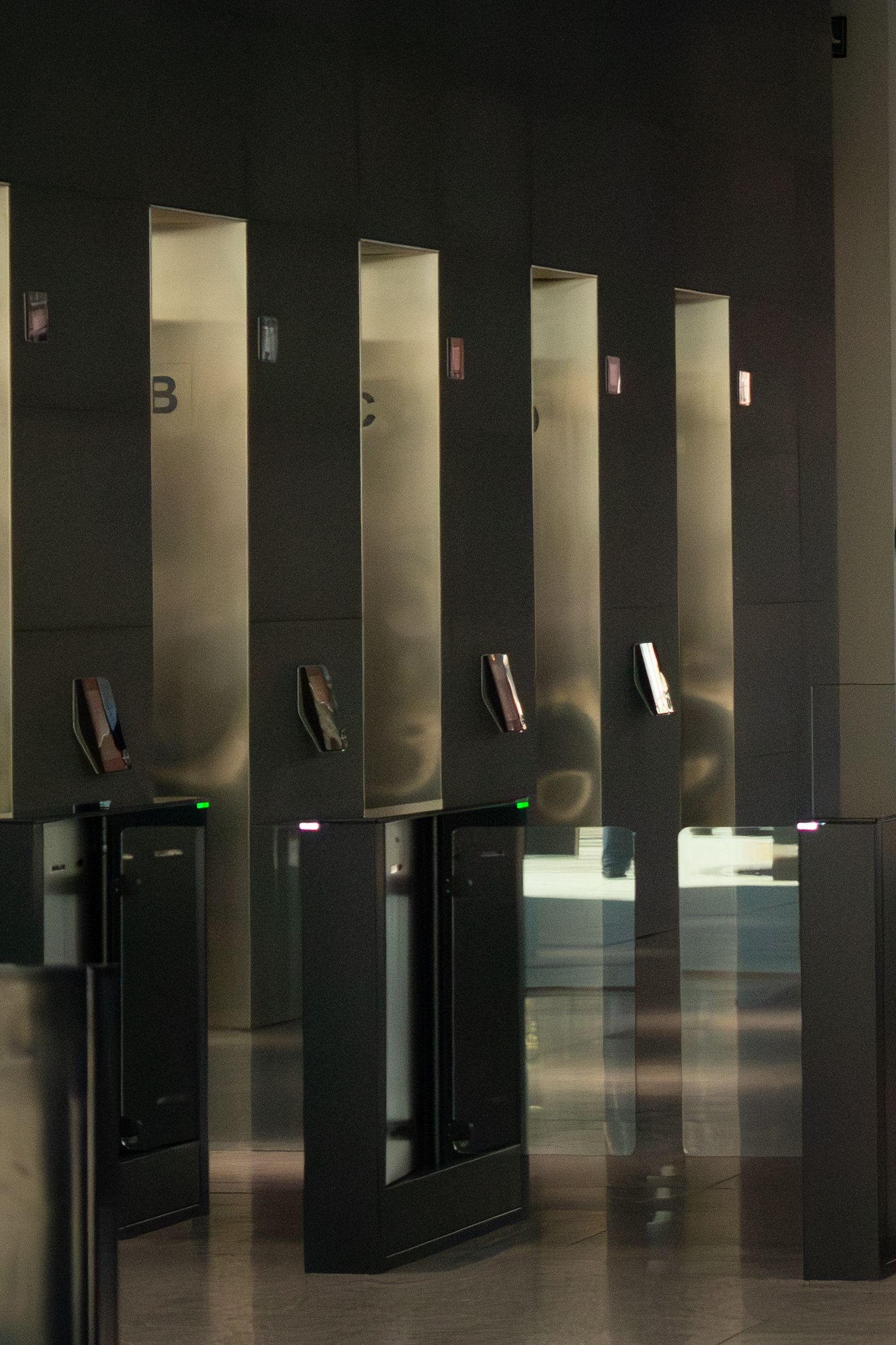
Layer 2: Access Control
Once someone reaches the building, access control systems determine who can enter and where they can go.
Examples include:
- ID badges and card readers
- Biometric authentication
- Secure doors and locks
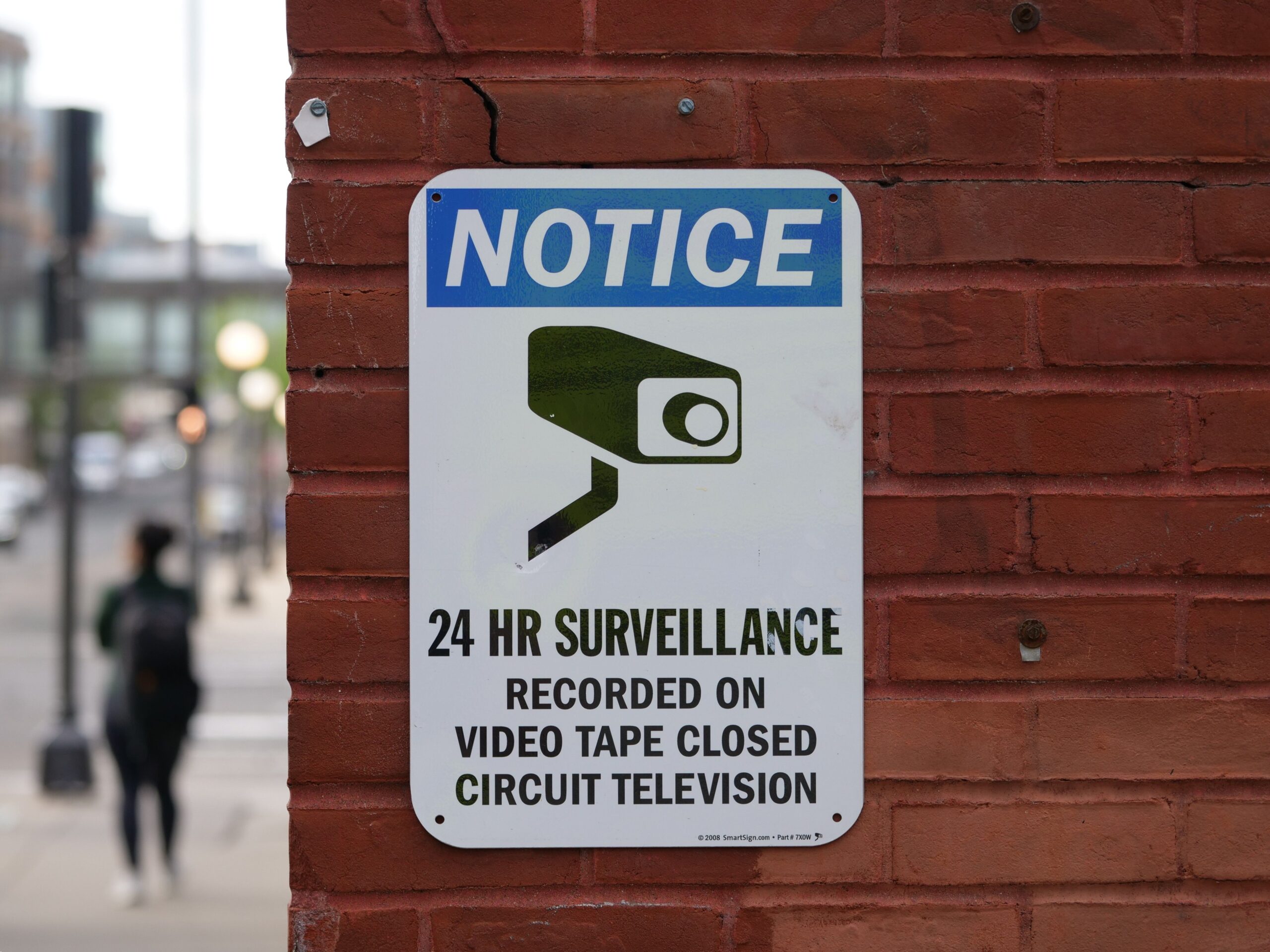
Layer 3: Surveillance and Monitoring
Next, surveillance systems help organizations maintain visibility across their facilities.
Examples include:
- Security cameras
- Motion detectors
- Security guards and patrol services
Layer 4: Intrusion Detection
In addition to monitoring activity, intrusion detection systems identify unauthorized access attempts.
Examples include:
- Alarm systems
- Glass break sensors
- Door and window sensors
Layer 5: Interior Security
Beyond exterior protection, organizations should secure critical assets and sensitive spaces.
Examples include:
- Secure rooms and data centers
- Safe storage for valuables
- Internal access control
Layer 6: Emergency Response
Even the best preventative measures cannot eliminate every risk. Therefore, emergency response planning remains essential.
Examples include:
- Fire suppression systems
- Emergency exit routes
- First aid and medical response plans
Layer 7: Training and Awareness
Finally, people play a critical role in every security program.
Examples include:
- Security awareness training
- Emergency response drills
- Incident response planning
Implementing Layered Physical Security
Successfully implementing layered security starts with a risk assessment to identify vulnerabilities and threats. Next, organizations should develop a strategy that aligns with operational goals and risk tolerance.
However, installation is only the beginning. Security measures should be monitored, maintained, and updated regularly. Additionally, ongoing employee training helps ensure everyone understands their role in maintaining a secure environment.
Conclusion
Physical security is most effective when multiple layers work together. Rather than relying on a single solution, organizations can create stronger protection by combining perimeter security, access control, surveillance, intrusion detection, emergency planning, and employee awareness.
As threats continue to evolve, layered physical security remains one of the most effective ways to protect facilities, assets, and people. If you’d like help evaluating your current security strategy or identifying opportunities to strengthen your layers of protection, contact Security Force to learn how we can help.