
Access control systems help businesses manage who can enter a building or restricted area. Employees and authorized visitors typically use credentials such as key cards, fobs, or mobile access to unlock secured doors. When used properly, these systems create a clear record of who enters and exits a facility.
However, one of the most common ways access control systems are bypassed is through a behavior known as tailgating.
Tailgating occurs when an unauthorized person follows an authorized employee through a secure door without using their own credential. Instead of presenting a key card or mobile access, the second person simply walks through before the door closes.
It may seem harmless in the moment, but tailgating can create serious security gaps.
What Tailgating Looks Like in Real Situations
In most cases, tailgating does not look suspicious. It often happens during normal daily activity inside offices, warehouses, healthcare facilities, and apartment buildings.
An employee badges into a secure door and holds it open for someone walking up behind them. That person might be a delivery driver, contractor, visitor, or someone who does not have authorization to enter that area.
In other cases, someone may walk closely behind an employee and slip through the door before it closes. Because the door only required one credential, the access control system records only one entry.
This creates a problem. If an incident occurs later, security teams may have no record of the additional person who entered the building.
Why Tailgating Undermines Security
Access control systems are designed to verify identity and track activity. Every authorized person should use their own credential to enter a secured area.
Tailgating bypasses this process completely.
When people enter without using a credential, access logs become inaccurate. Security teams lose the ability to track who entered certain areas and when they entered.
Unauthorized individuals may gain access to offices, equipment rooms, storage areas, or other restricted spaces. In commercial buildings, this can lead to theft, safety concerns, or operational disruptions.
Even the most advanced access control system cannot work effectively if people bypass it.
Why Tailgating Happens
Most tailgating incidents are not intentional security violations. They happen because people want to be polite or helpful.
Employees often hold the door open for someone out of courtesy. Others assume that anyone entering the building must belong there. In busy workplaces, people may move quickly and not think about security procedures.
Without reminders or training, tailgating can easily become routine behavior.
How Businesses Can Reduce Tailgating
Preventing tailgating requires a combination of technology and employee awareness.
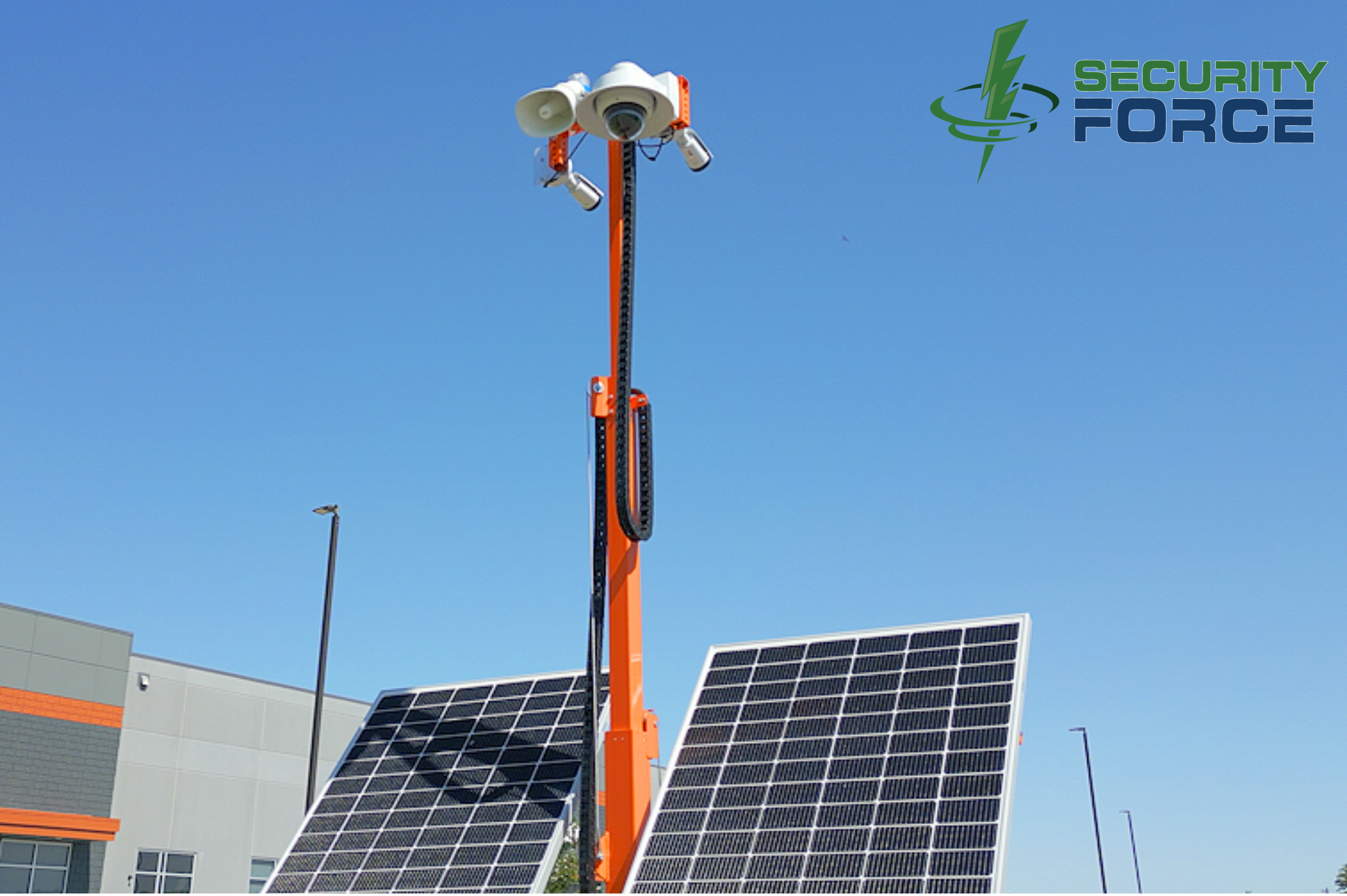
Clear signage near secured doors can remind employees that every person must use their own credential. Security cameras placed near entrances can help monitor access points and verify activity.
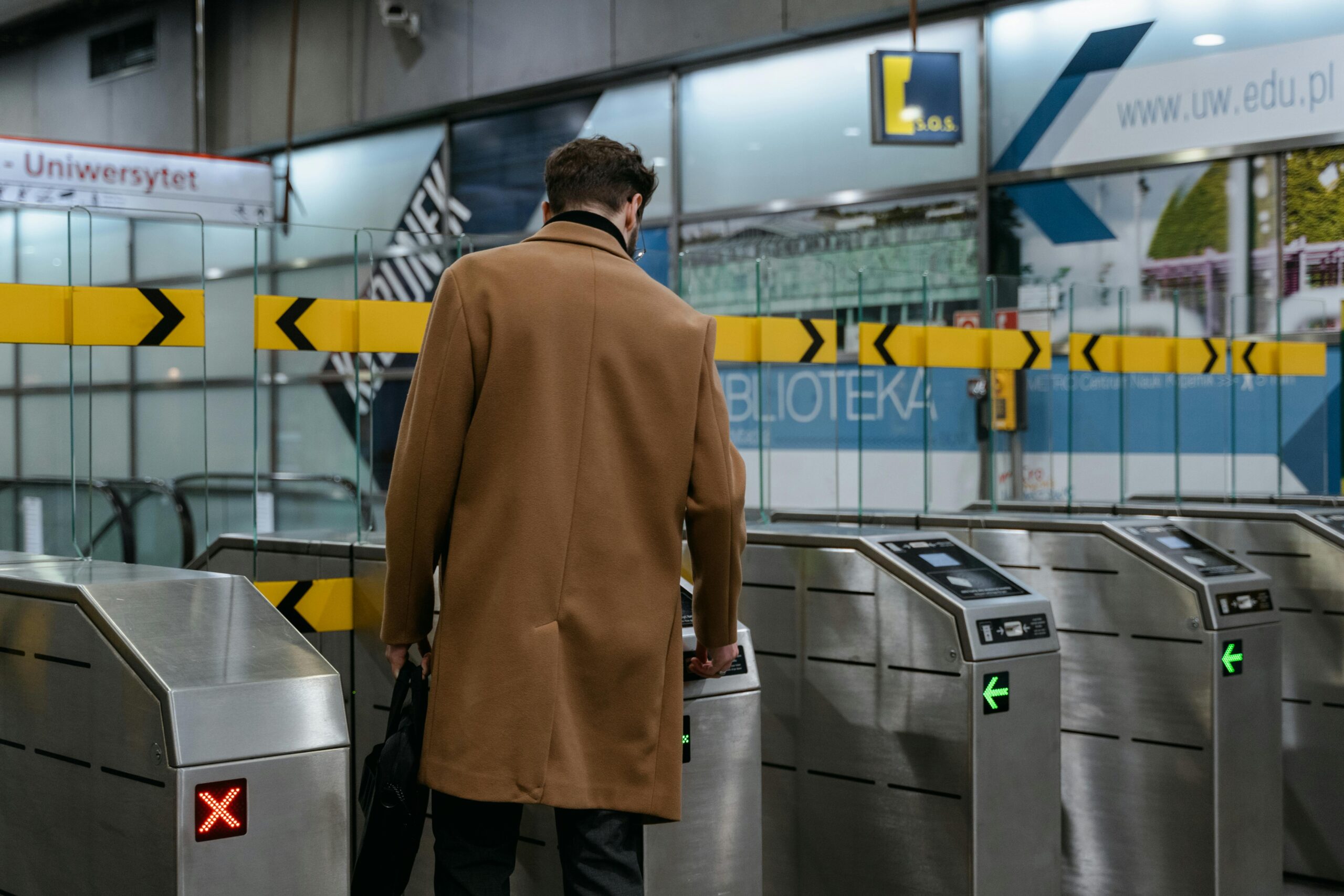
Some facilities install physical solutions such as turnstiles that require each individual to present a credential before entering.
Most importantly, organizations should communicate clear expectations to employees about proper access control procedures.
Strengthening Access Control in Your Facility
Tailgating may appear minor, but it can weaken the effectiveness of an entire access control system. When every person uses their own credential, organizations maintain accurate records and better control over who enters their facility.If your organization wants to improve access control security and reduce tailgating risks, Security Force can help. Contact Security Force to learn how modern access control and surveillance solutions can strengthen the security of your building.