
Most businesses focus their security efforts on what happens during the workday. Employees stay present, systems stay active, and activity remains visible. It feels easier to manage risk when people are around.
But many security incidents happen outside of normal business hours.
The gap between office hours and after hours creates vulnerabilities that businesses often overlook.
Why Risk Increases After Hours
During the day, employees add a natural layer of awareness. People notice unfamiliar faces, question unusual activity, and respond quickly when something feels off.
After hours, that layer disappears.
Buildings become quieter. Fewer people remain on site. In some cases, no one stays in the building at all. This shift forces security systems to take on a much larger role.
If systems are not prepared for that transition, risk increases.
Common After Hours Security Gaps
Many facilities rely on the same setup 24 hours a day without adjusting for changing conditions.
That approach creates gaps.
Some of the most common issues include:
- Unsecured doors that no one checks after closing
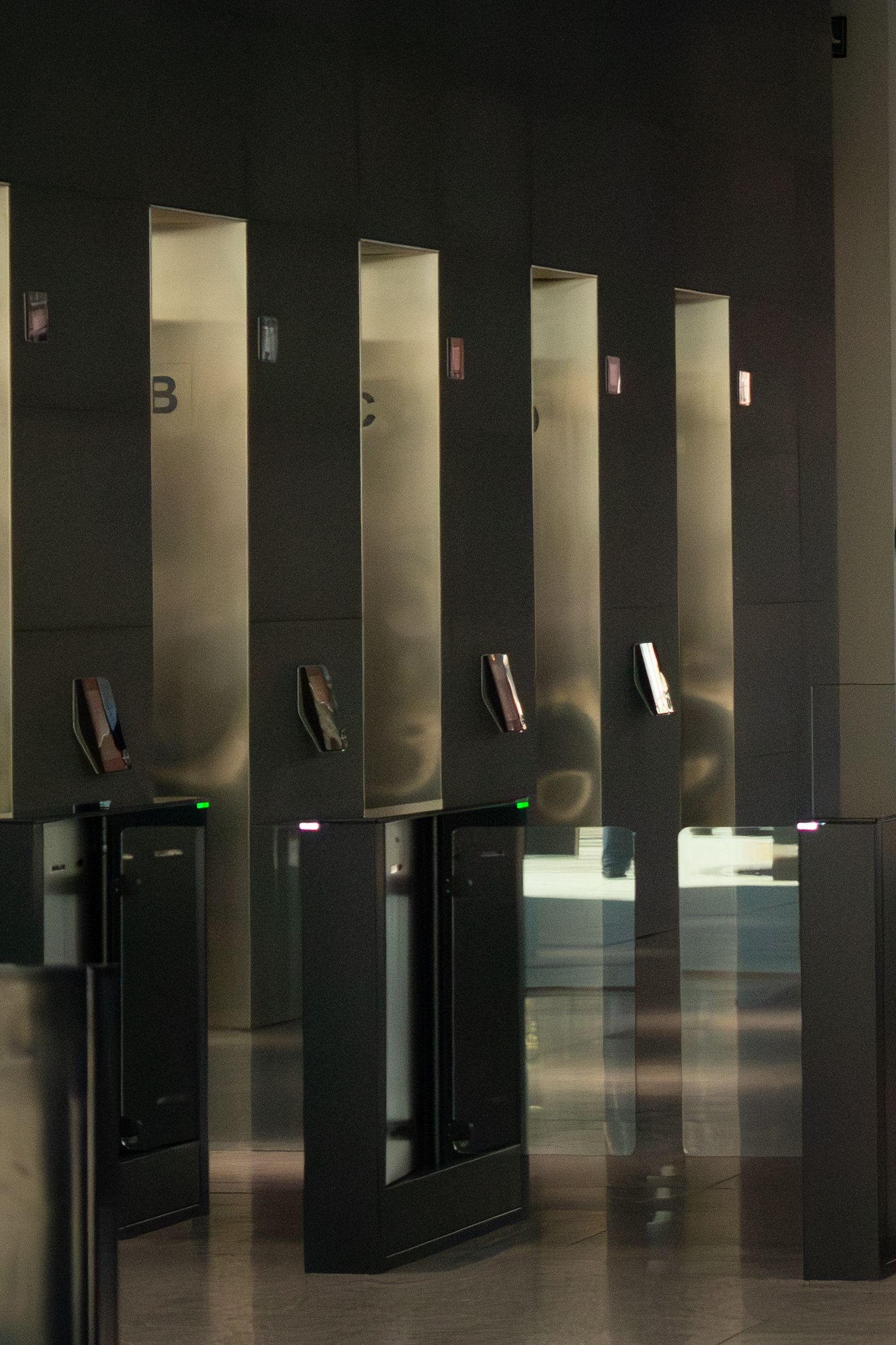
- Access control schedules that allow entry beyond necessary hours
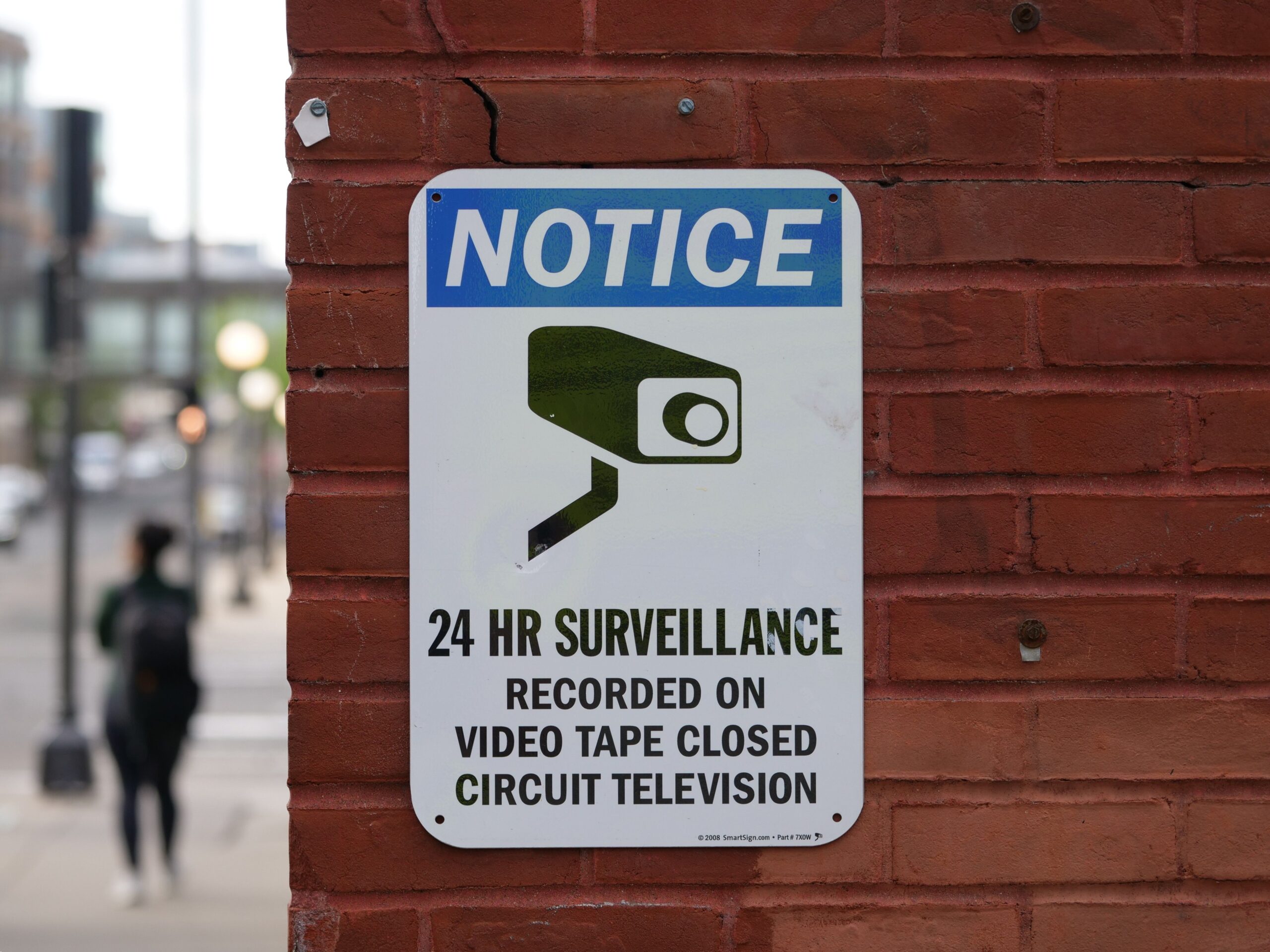
- Cameras that record but no one actively monitors
- Alarm systems that staff forget to arm or routinely bypass
- Exterior areas with poor lighting that reduce visibility
Each of these gaps increases the chance of unauthorized access or delayed response.
How Security Systems Should Adapt
Security systems should work differently after hours.
Access control should limit entry to only approved individuals during specific times. Video surveillance should clearly capture entrances, exits, and key areas, even in low light. Alarm systems should remain armed and trigger a defined response when activity occurs.
Remote access also plays an important role. Business owners and managers should be able to check cameras, receive alerts, and manage systems without being on site.
These adjustments help systems take over when people are no longer present.
Why Procedures Still Matter
Technology alone does not close the gap.
People still control how systems operate. If employees skip steps at the end of the day, security weakens.
Clear procedures help prevent that.
End-of-day checklists, assigned responsibilities, and routine system reviews ensure doors are secured, alarms are armed, and systems are functioning properly. These steps do not need to add complexity. They just need to happen consistently.
Close the Gap Before It Becomes a Problem
The transition from office hours to after hours is one of the most important moments in your security strategy.
That is when responsibility shifts from people to systems.
If you do not define that transition clearly, gaps will form.
Take time to review how your building operates after hours. Look at access control settings, alarm procedures, camera coverage, and lighting conditions. Small adjustments can significantly reduce risk.
Security does not stop when the workday ends. In many cases, it matters most when no one is there to notice a problem.
If you are unsure how your facility performs after hours, contact Security Force. Our team can assess your system and help you close the gaps that leave your business exposed.