A single security compromise can trigger serious consequences. One small oversight can disrupt operations, increase costs, and damage long-term trust. Security incidents rarely stay contained. They create ripple effects that move quickly through an organization.
Here is how that chain reaction typically unfolds.
The Initial Weak Point
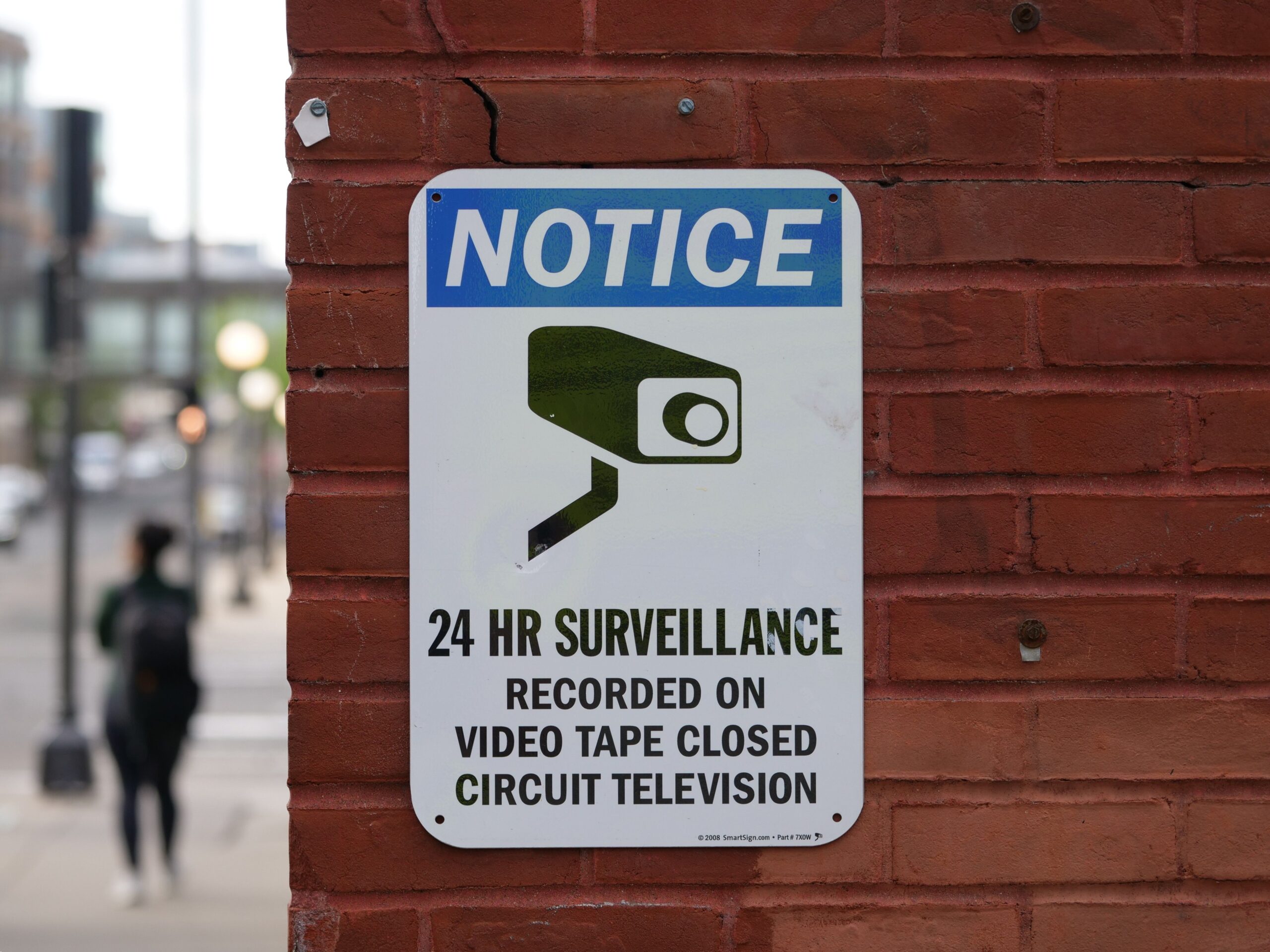
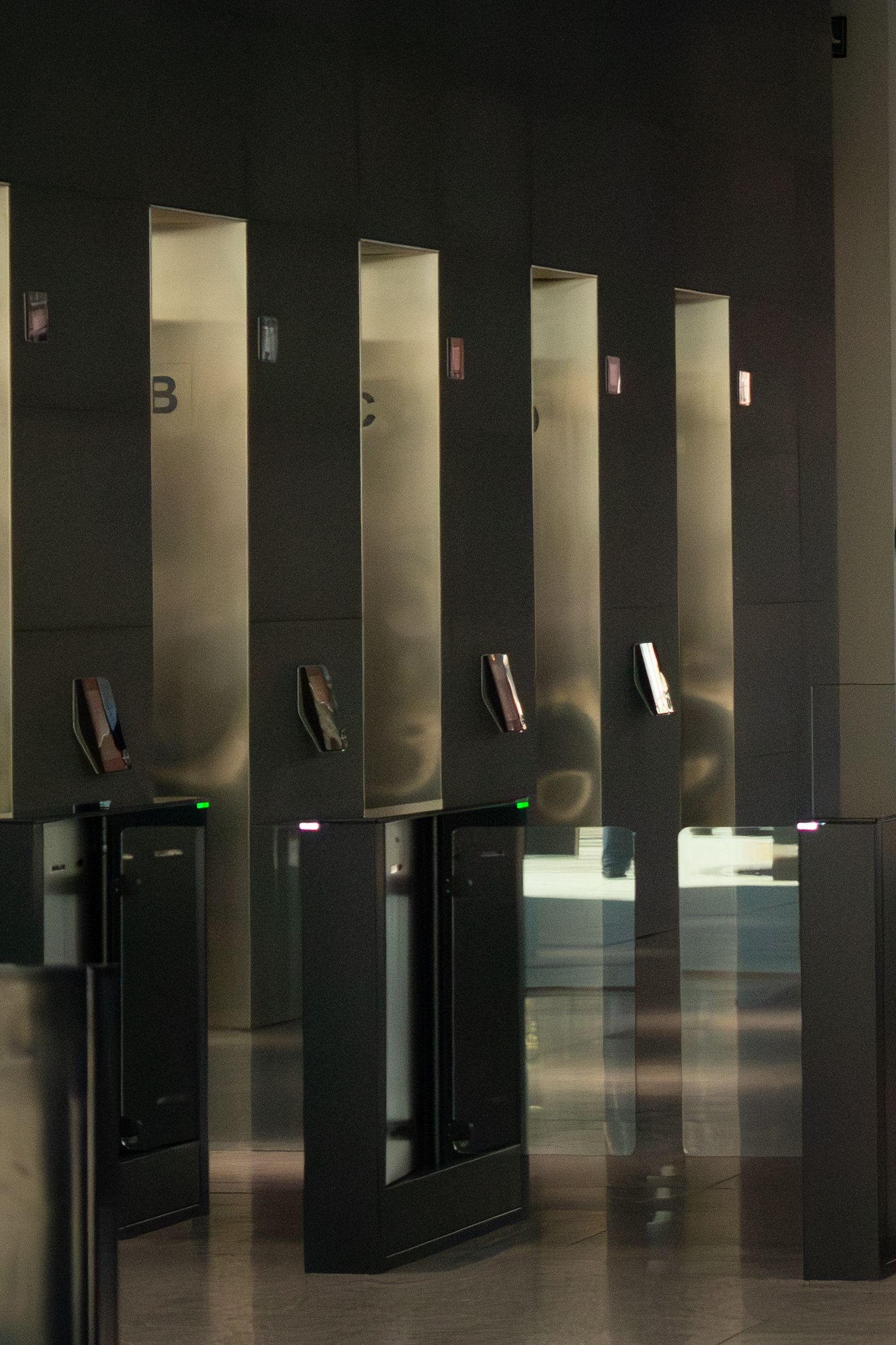
Most breaches begin with a simple mistake. An employee props open a door during a busy shift. A manager allows someone to share an access card for convenience. A camera stops recording, and no one checks it.
Teams often overlook these issues because daily operations feel more urgent. However, small vulnerabilities create real opportunities. When someone identifies and exploits that gap, the situation escalates fast.
Unauthorized Access Expands the Risk
Once someone exploits a weakness, risk multiplies. An unauthorized individual can enter restricted areas, access sensitive information, or remove valuable property.
The issue no longer centers on the open door or inactive credential. It centers on what that access allowed. Theft, vandalism, and workplace safety incidents can follow. In regulated environments, organizations can also face compliance violations and reporting requirements.
One weak point now affects multiple areas of the business.
Operational Disruption Takes Control
When leaders discover the incident, they shift their focus immediately. They review footage, interview staff, and contact insurance providers. Managers redirect time and resources toward investigation instead of growth.
Production may slow. Deliveries may face delays. Customers may ask questions. Internal teams may feel exposed or frustrated.
The organization pays not only for the loss itself but also for the disruption it causes.
Financial and Reputational Impact
Security compromises create visible and hidden costs. Companies replace damaged equipment, upgrade systems, and revise policies. Insurance premiums may increase. Legal or compliance expenses may follow.
Reputation also takes a hit. Clients, tenants, and partners expect reliable protection. When a breach becomes public, stakeholders question whether their assets and information remain safe. Trust takes time to build and even longer to restore.
Prevention Stops the Chain Reaction
After a breach, some organizations rush to add new technology without a clear strategy. They stack new systems on top of old ones. Complexity grows, but protection does not always improve.
A stronger approach starts with coordination and accountability. Leaders must align access control, video surveillance, intrusion detection, and monitoring under one unified strategy. Teams should enforce credential policies, perform regular maintenance, and train employees to recognize vulnerabilities.
When organizations act proactively, they stop small issues from becoming major events.
Security requires more than reacting to incidents. It requires preventing the chain reaction that begins with one weak point.
At Security Force, we help organizations identify vulnerabilities before they escalate. We design, install, service, and monitor layered security solutions that protect your people, property, and operations.
If you want to evaluate your current security setup and reduce your risk exposure, contact Security Force today. Our team will help you stay ahead of the next potential compromise.