
The Growing Role of AI in Security
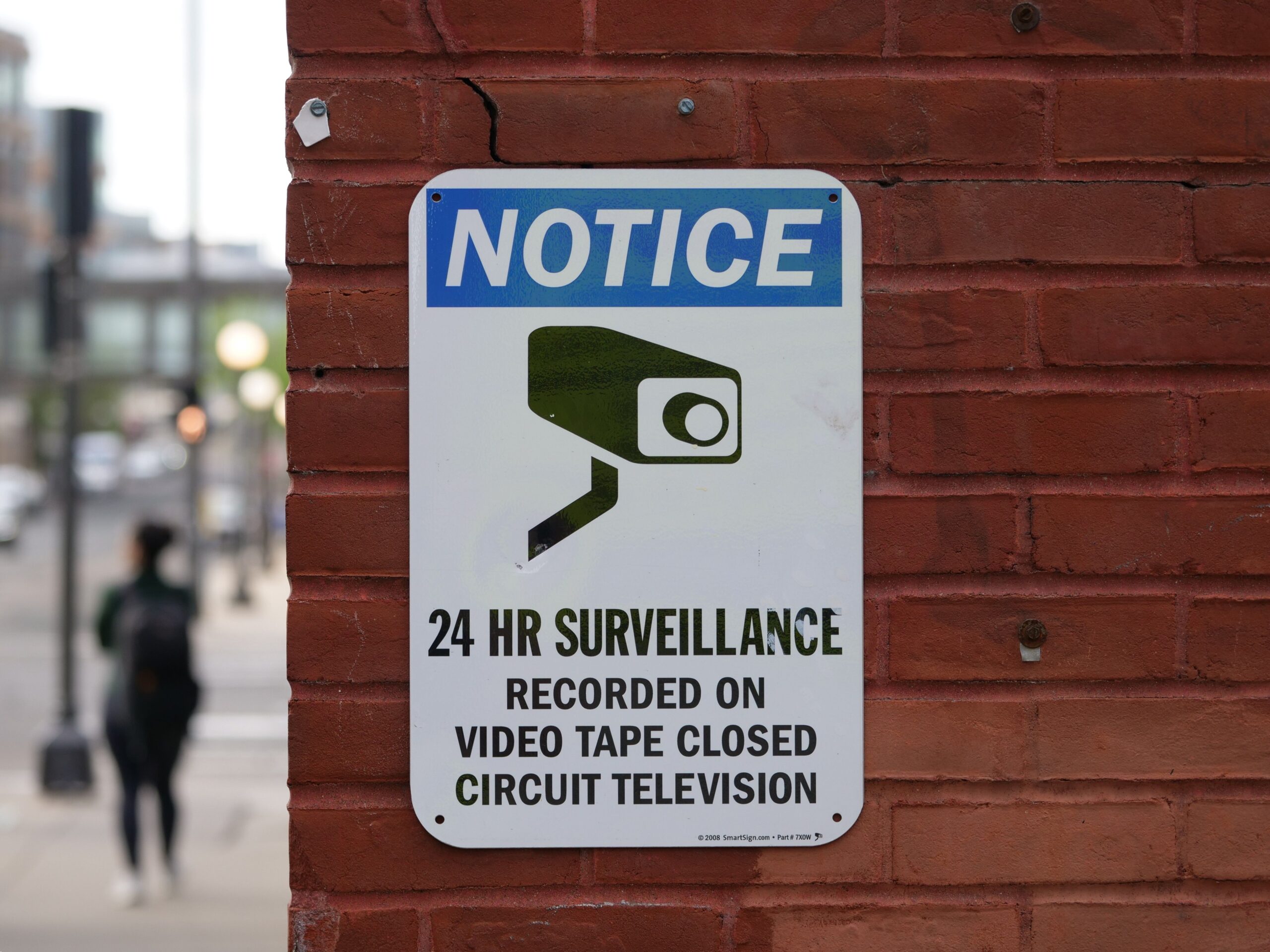
Artificial Intelligence (AI) has transformed modern video surveillance systems. Rather than simply recording footage, today’s AI-powered cameras can analyze activity, identify potential threats, and provide real-time alerts.
As a result, organizations can improve security, reduce response times, and gain greater visibility into their facilities.
Benefits of AI in Video Surveillance
One of the biggest advantages of AI-powered surveillance is its ability to process large amounts of video data quickly and accurately.
Enhanced Accuracy
Unlike traditional monitoring, AI can continuously analyze video feeds and identify unusual activity. Consequently, organizations can reduce false alarms and improve incident detection.
Real-Time Alerts
Additionally, AI systems can send immediate notifications when suspicious activity occurs. This allows security personnel to respond faster to potential threats.
Object and Facial Recognition
AI can identify specific objects such as vehicles, weapons, or individuals. In some applications, facial recognition technology can also verify identities and track movement throughout a facility.
Predictive Analytics
Beyond monitoring current activity, AI can analyze patterns and behaviors over time. As a result, organizations may identify potential risks before incidents occur.
Common Applications
As AI technology continues to evolve, its use is expanding across many industries.
Crime Prevention
Law enforcement agencies use AI-powered surveillance to assist with investigations and enhance public safety.
Retail Security
Retailers use AI to detect shoplifting, reduce inventory loss, and improve customer safety.
Transportation Security
Airports, train stations, and other transportation hubs rely on AI analytics to monitor large crowds and identify potential threats.
Critical Infrastructure
Organizations responsible for power plants, government facilities, and data centers use AI surveillance to protect sensitive assets and operations.
How AI-Powered Surveillance Works
Although AI surveillance may seem complex, the process is relatively straightforward.
First, strategically placed cameras capture video throughout a facility. Next, AI analytics software processes the footage and looks for predefined behaviors, objects, or anomalies.
Then, the system evaluates the information in real time or reviews recorded footage. Finally, if suspicious activity is detected, the system generates alerts for security personnel.
Challenges and Considerations
While AI offers significant benefits, organizations should also understand its limitations.
Data Privacy
First, businesses must consider how video data is collected, stored, and protected.
Accuracy and Bias
Additionally, AI systems are only as effective as the data used to train them. Poor-quality data can impact performance and accuracy.
Regulatory Requirements
Furthermore, privacy laws and regulations continue to evolve, making compliance an important consideration for organizations deploying AI surveillance systems.
The Future of AI Surveillance
Looking ahead, AI technology will continue to improve.
For example, Edge AI will allow cameras to process data directly at the device, reducing delays and improving response times. At the same time, 5G connectivity will support faster data transmission and more advanced analytics capabilities.
As these technologies mature, AI-powered surveillance will become even more capable and accessible.
Conclusion
AI-powered video surveillance has changed the way organizations approach security by improving accuracy, enhancing situational awareness, and accelerating response times.
As technology continues to evolve, AI will play an even larger role in protecting people, property, and operations. If you’re interested in learning how AI-powered video surveillance can improve security at your facility, contact Security Force to explore solutions designed for your specific needs.