
Wi-Fi cameras have become extremely popular in recent years. They are easy to buy, simple to install, and often marketed as an all in one security solution. While these devices can be useful for basic awareness, they are not the same as a professionally designed security camera system. Understanding the difference is important, especially for businesses or homeowners who want reliable protection rather than just visibility.
Designed for Convenience, Not Security
Most Wi-Fi cameras are built for convenience. They rely on a home or business internet connection, cloud storage, and mobile apps to function. If the Wi-Fi signal drops, the camera may stop recording or fail to upload footage. Power outages, network congestion, or router issues can leave gaps in coverage without warning.
Professional security cameras are designed with reliability as the priority. They often use wired connections, dedicated network equipment, and local recording systems that continue operating even if internet service is interrupted. This ensures consistent monitoring when it matters most.
Limited Coverage and Performance
Wi-Fi cameras typically have limited range and narrower fields of view. They perform best indoors or in controlled environments where signal strength is stable. Outdoor performance can decline due to weather conditions, interference, or physical obstructions.
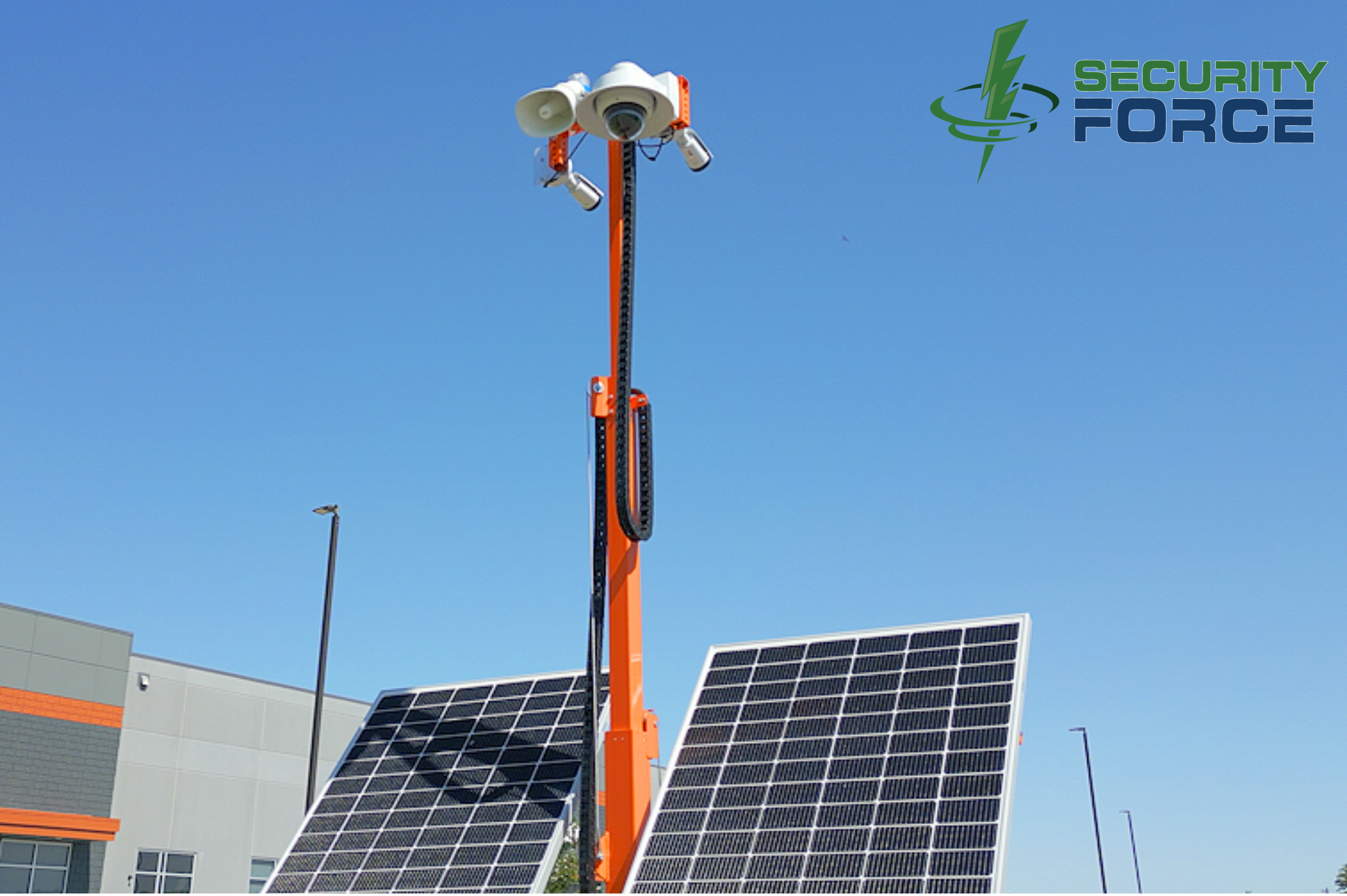
Commercial grade security cameras are built for wider coverage and harsher environments. They offer stronger low light performance, longer viewing distances, and better image clarity. This makes them more effective for monitoring parking lots, building exteriors, entrances, and large interior areas.
Consumer Features vs Security Features
Many Wi-Fi cameras focus on consumer friendly features like app notifications, two way audio, or cloud based video storage. While useful, these features do not replace true security functionality.
Professional security systems integrate cameras with access control, alarm systems, and monitoring services. They support motion analytics, event verification, and centralized management. This allows faster response and more informed decision making than a simple phone alert can provide.
Vulnerability to Tampering and Interference
Because Wi-Fi cameras depend on wireless signals, they are more vulnerable to interference or intentional disruption. Network overload, signal interference, or compromised credentials can limit or disable these devices.
Professional security cameras reduce these risks through wired infrastructure, secured networks, and controlled access. They are also mounted and protected in ways that make tampering more difficult.
When Wi-Fi Cameras Make Sense
Wi-Fi cameras can still play a role. They are useful for basic awareness, temporary monitoring, or supplemental coverage. Homeowners may use them to check on pets, monitor deliveries, or view a single entry point. However, they should not be mistaken for a complete security solution.
Choosing the Right Tool for Real Protection
A real security camera system is designed to prevent loss, support investigations, and protect people and property. It provides reliability, clarity, and integration that consumer devices cannot match.
If your security goals go beyond convenience and notifications, it may be time to consider a professional system. Understanding the difference between a Wi-Fi camera and a true security camera is the first step toward stronger protection. If you want help evaluating your options, contact Security Force to discuss a solution built for real security.