Indiana weather is unpredictable and often extreme. From heavy snow and ice in the winter to flooding rains in the spring and intense heat in the summer, changing conditions can take a toll on security systems. Many system issues do not come from equipment failure, but from weather related stress that builds up over time. Understanding how seasonal conditions affect security systems can help property owners reduce downtime and avoid costly repairs.
Snow and Ice Can Impact Cameras and Access Points
Winter weather creates some of the most common problems for outdoor security equipment. Snow accumulation can block camera lenses and reduce visibility. Ice buildup can prevent doors from closing properly, which affects electrified locks and door contacts. When doors do not latch completely, alarms may not arm correctly or false alerts may occur.
Cold temperatures also affect batteries in wireless devices. As temperatures drop, battery life shortens, which can lead to intermittent communication or device failure. Regular inspection during winter months helps identify these issues before they cause system interruptions.
Flooding and Moisture Create Hidden Risks
Indiana’s spring storms often bring heavy rain and flooding. Moisture is one of the biggest threats to security equipment, especially when water enters conduits, junction boxes, or underground cabling. Even small amounts of water can corrode connections and damage electronics over time.
Flooding also affects environmental sensors and alarm panels located in basements or ground level utility rooms. If water reaches these components, the system may lose power or fail to communicate. Installing equipment above flood prone areas and using proper weather rated enclosures helps reduce this risk.
Heat and Humidity Stress Equipment in Summer
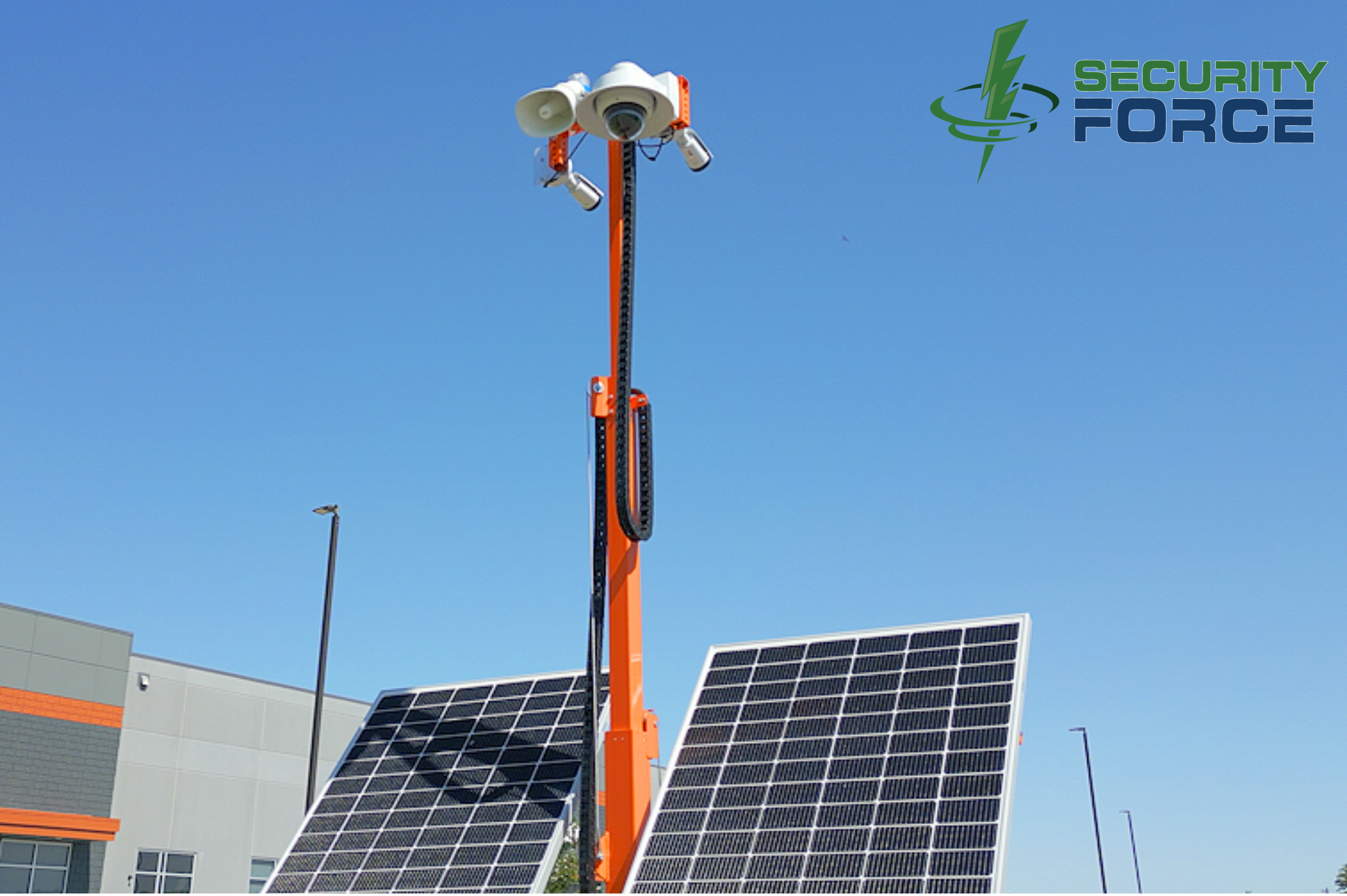
High temperatures and humidity put stress on both indoor and outdoor security systems. Cameras exposed to direct sunlight can overheat, which may cause image distortion, unexpected shutdowns, or shortened equipment lifespan. High humidity can also affect internal components if enclosures are not properly sealed.
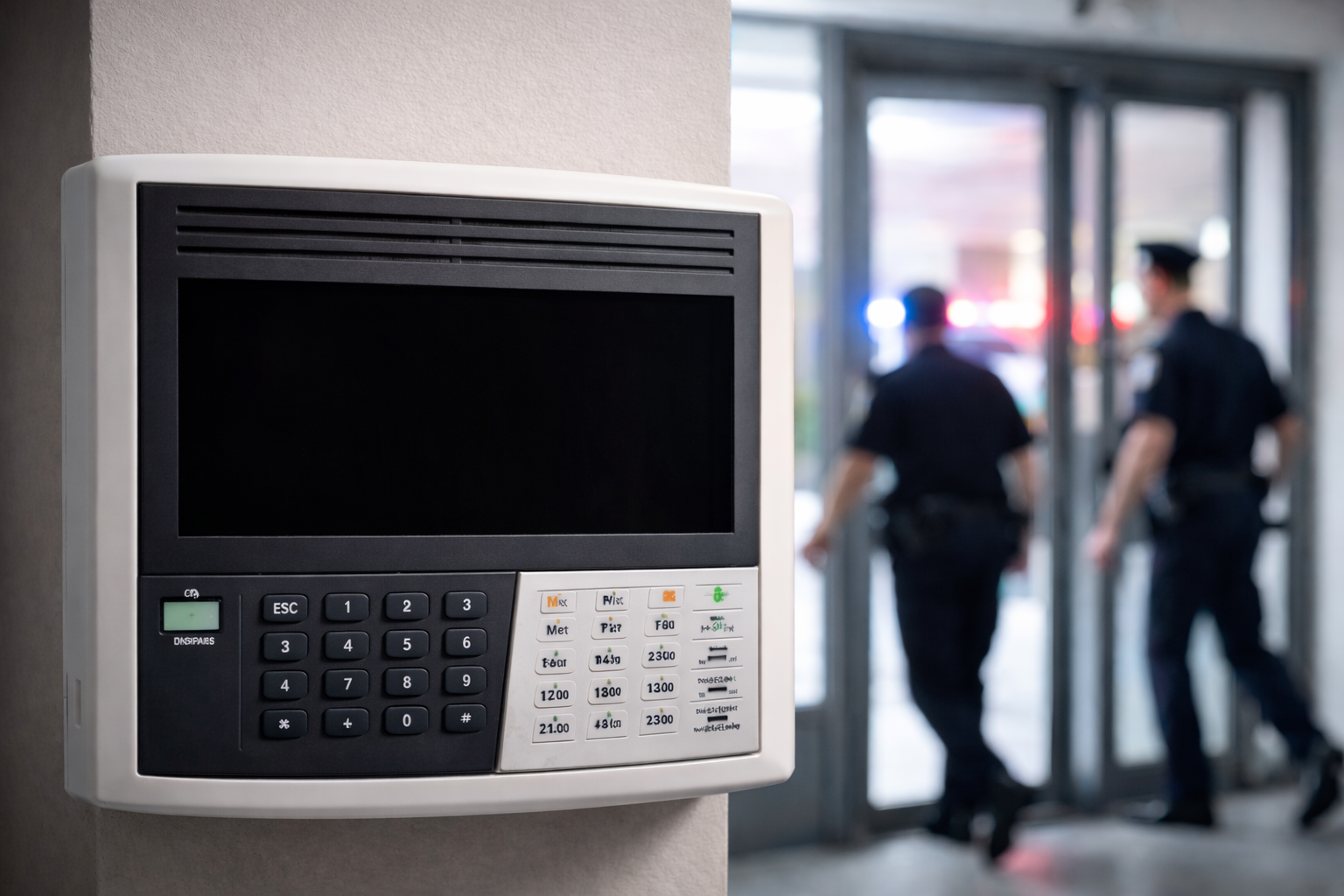
Access control hardware such as card readers and keypads can become less responsive when exposed to prolonged heat. In server rooms or network closets, inadequate cooling can lead to system outages that affect the entire security platform.
Power Outages and Weather Related Disruptions
Severe weather increases the likelihood of power outages. Without backup power, security systems may go offline when they are needed most. Battery backups and generators help maintain operation during outages and ensure continued monitoring and recording.
Weather events can also disrupt network connectivity. If cameras, alarms, or access control systems rely on network communication, redundancy planning becomes essential.
Protecting Your Security System Year Round
Indiana weather is unavoidable, but system failures do not have to be. Snow, ice, moisture, and extreme temperatures place stress on security equipment throughout the year. Regular inspections, seasonal maintenance, and the use of weather rated hardware help ensure systems continue operating when conditions are at their worst.
A security system should protect a property in every season, not just when the weather is mild. Taking a proactive approach to weather related risks can reduce downtime, prevent false alarms, and extend the life of your equipment.