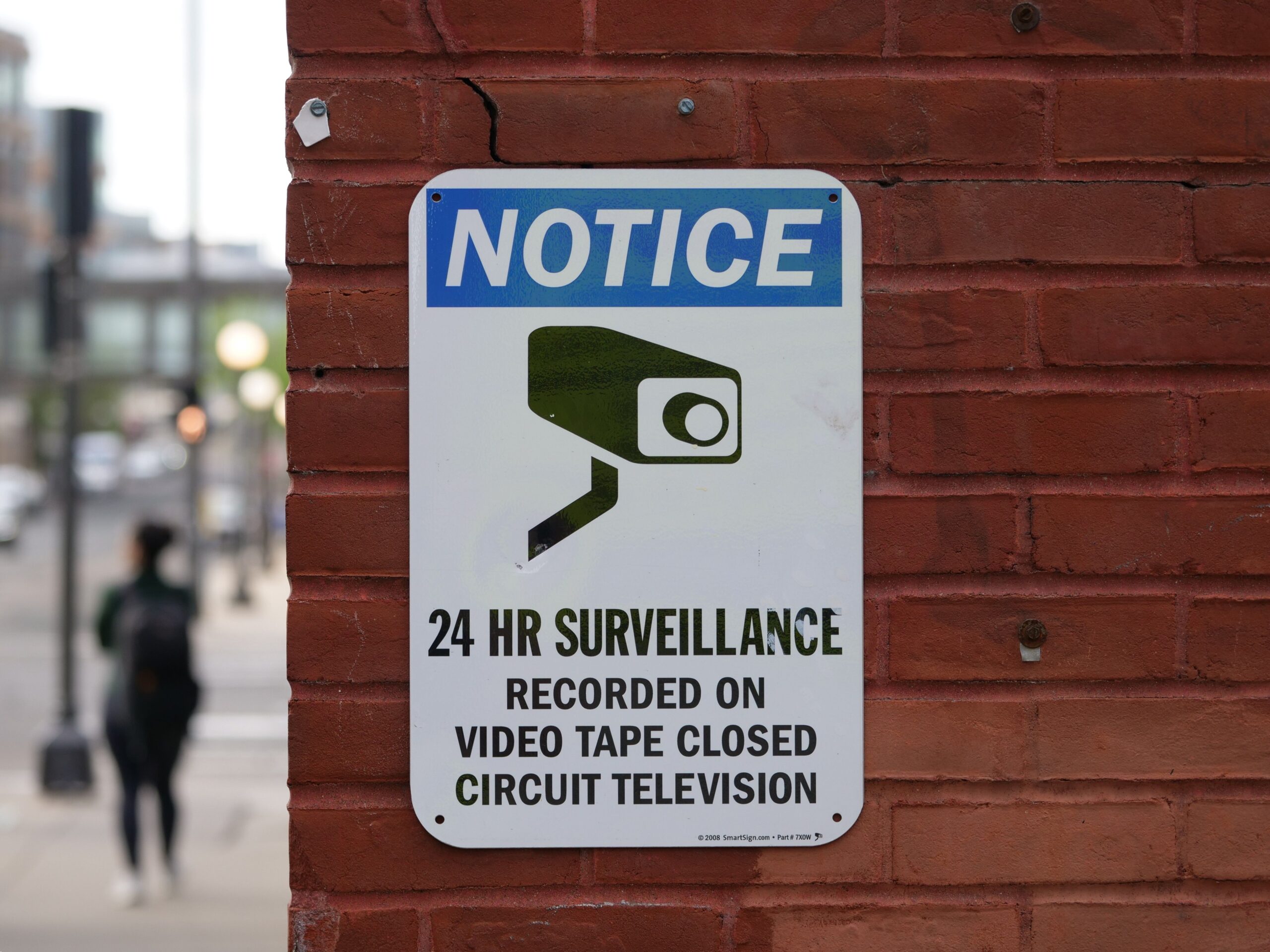

“We’ve never had a problem” is one of the most common phrases heard when discussing security. It is also one of the most dangerous. While it often comes from confidence or long periods without incidents, it can create a false sense of safety that leaves organizations exposed when conditions change.
Security risks do not announce themselves in advance. The absence of past incidents does not mean vulnerabilities do not exist. It usually means they have not been tested yet.
Why Past Experience Is a Poor Predictor of Risk
Many security incidents occur not because a system failed, but because it was never designed for current conditions. Buildings change over time. Staff turnover increases. Operations expand. Technology evolves. Threats adapt.
A facility that felt secure five years ago may have new access points, different schedules, or additional equipment today. Relying on history instead of evaluation can allow small weaknesses to grow unnoticed.
Complacency Creates Opportunity
Criminals look for predictability. When a building operates the same way every day, patterns emerge. Doors are unlocked at the same times. Parking lots empty at the same hour. Lighting schedules never change.
Saying “we’ve never had a problem” often means no one has looked closely at how security performs outside normal conditions. That mindset can delay updates to access control, camera coverage, or alarm monitoring until after an incident occurs.
Security Gaps Are Often Invisible Until They Matter
Many vulnerabilities are not obvious during daily operations. Cameras may be poorly positioned. Access permissions may remain active longer than necessary. Alarm systems may lack verification or proper coverage.
These gaps often go unnoticed because nothing has gone wrong yet. Unfortunately, the first sign of a weakness is often a break in, theft, or safety incident that could have been prevented.
Prevention Requires Active Review
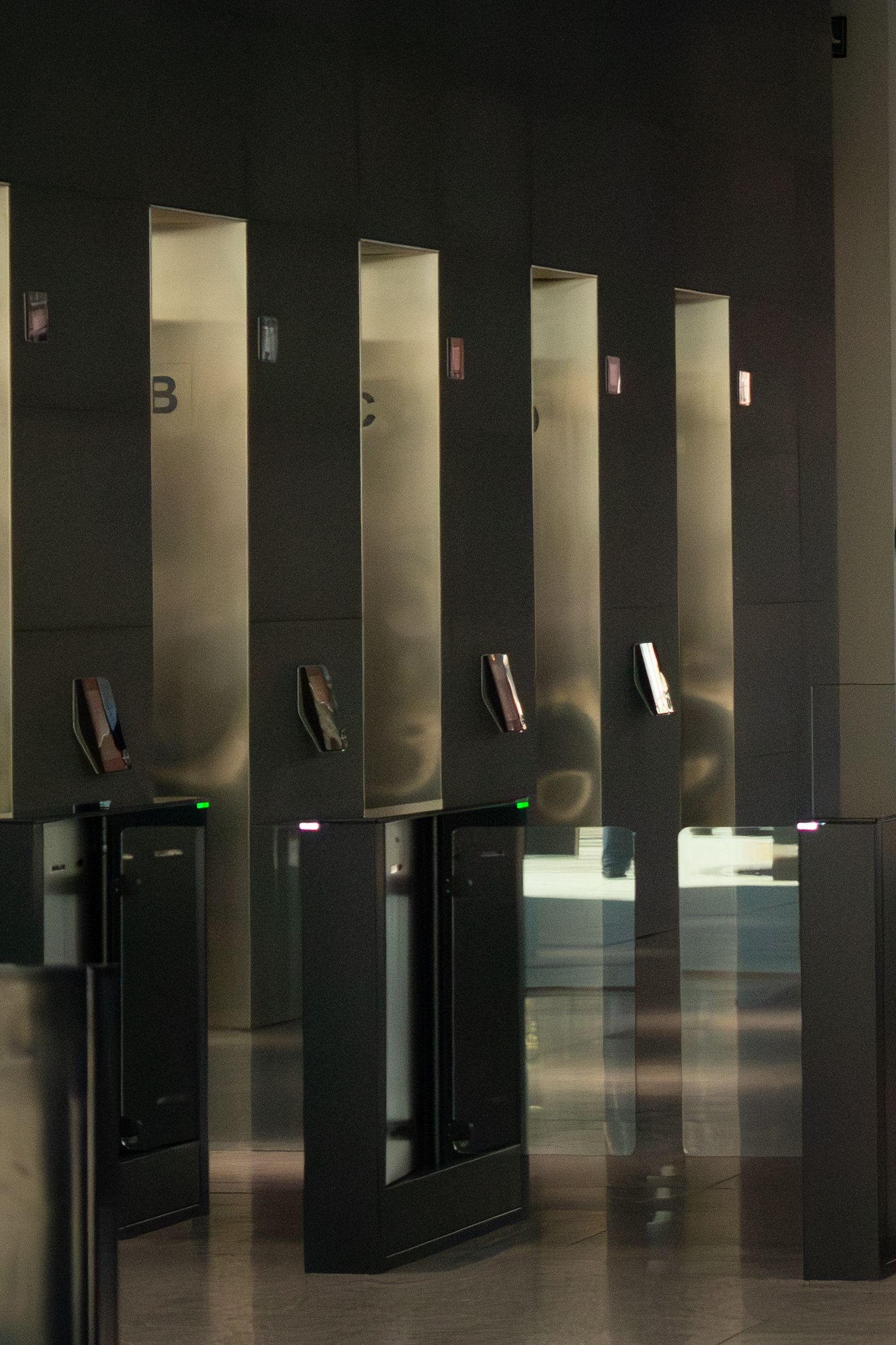
Strong security is proactive, not reactive. Regular reviews help identify issues before they become problems. This includes evaluating access control permissions, checking camera coverage, testing alarms, and understanding how systems perform after hours.
Facilities that take this approach tend to experience fewer incidents and recover faster when issues arise. They also reduce liability and improve confidence among employees and visitors.
Shifting the Conversation
Instead of asking whether a facility has had problems in the past, a better question is whether current systems match current risks. Security should evolve as buildings, operations, and threats change.
The most effective security strategies are built on awareness, not assumption.
Why This Mindset Is Risky
“We’ve never had a problem” should never be the end of the conversation. It should be the starting point for a closer look.
If you want to better understand where your security stands today and identify potential gaps before they become incidents, contact Security Force to start the conversation.