
Most people recognize multi-factor authentication from digital security. You might log into an account with a password and then verify your identity through a text message or an app. However, the same concept is becoming just as important in physical security. As threats evolve and facilities grow more complex, a single method of identification can no longer provide enough protection.
Multi-factor authentication strengthens access control by requiring more than one form of verification before granting entry. This layered approach ensures that only authorized individuals can access sensitive or high value areas.
What Multi-Factor Authentication Means in Physical Security
In physical environments, multi-factor authentication requires at least two forms of identification before a door unlocks or a restricted area becomes available. These authentication methods fall into three categories:
Something you have: cards, key fobs, mobile credentials, or other verified devices.
Something you know: PIN codes, passwords, or unique numerical sequences.
Something you are: biometrics such as fingerprints, facial scans, palm scans, or iris recognition.
Using only one credential creates vulnerabilities. For example, a stolen badge can allow someone to enter without permission. By combining multiple factors, organizations greatly reduce the risk of unauthorized access.
How Multi-Factor Authentication Works in Real Facilities
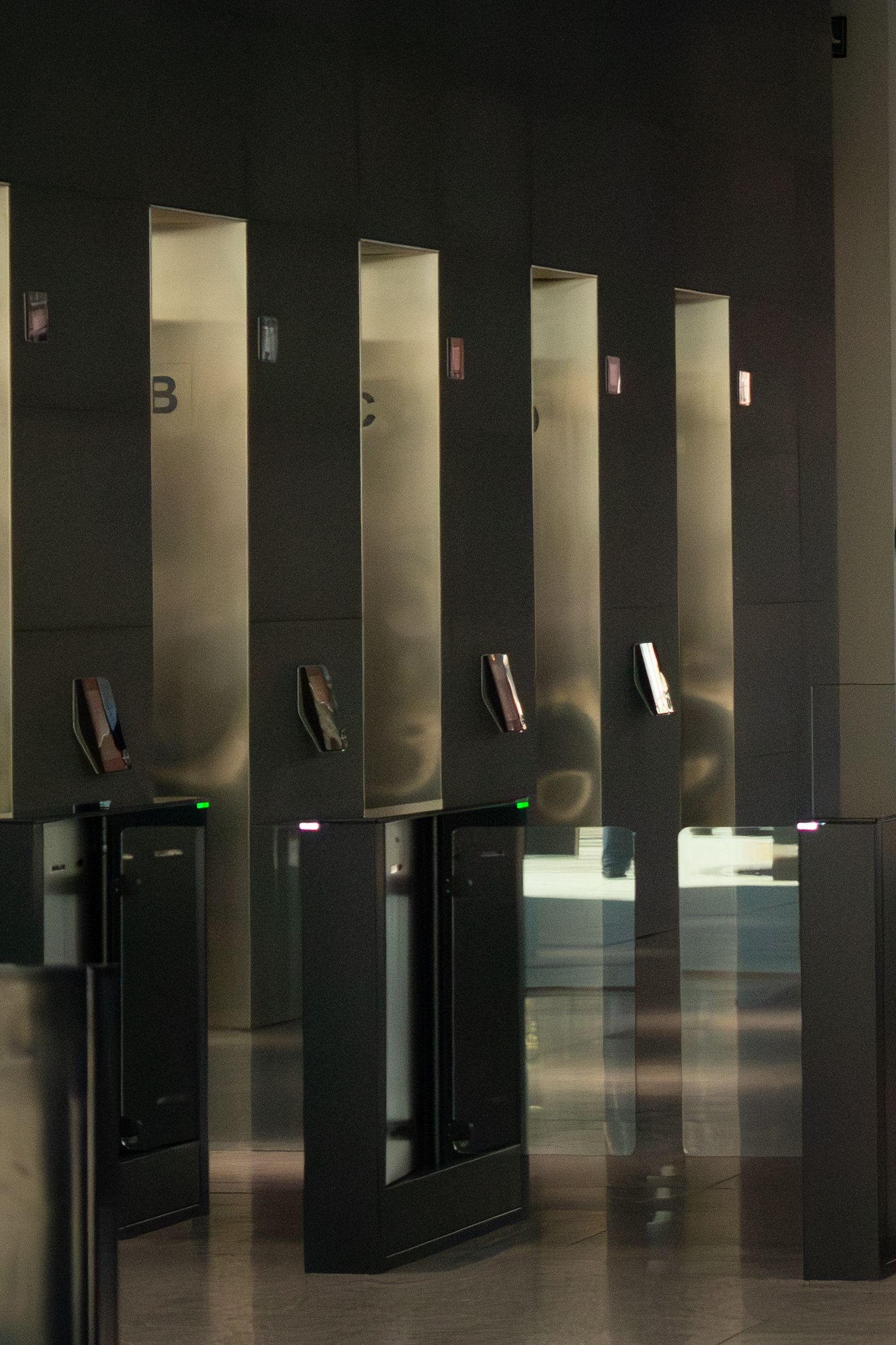
Modern access control systems give organizations the flexibility to choose the authentication steps required for each area. A general office door might use only a card for convenience. In contrast, a server room, pharmacy cabinet, or executive office may require both a card and a PIN. For high risk locations, a biometric scan can serve as a third verification step.
Mobile credentials add even more flexibility. A smartphone can function as a secure, encrypted key. When paired with a PIN or biometric check, users gain fast access without sacrificing security. This flexibility allows organizations to match access control requirements to their risk level while keeping daily operations efficient.
Why Multi-Factor Authentication Matters
Multi-factor authentication offers several important benefits that strengthen overall security.
Lower risk of unauthorized entry: Stolen cards, borrowed keys, and shared PINs lose effectiveness when a second factor is required.
Greater certainty about who is entering: Biometric verification confirms identity with high accuracy and reduces impersonation attempts.
Enhanced protection for sensitive areas: Industries such as healthcare, finance, education, manufacturing, and government rely on stronger access control to meet compliance and safety expectations.
Improved compliance and audit readiness: Multi-factor authentication supports regulatory requirements by creating clear, reliable access logs.
Better balance of security and convenience: Modern systems allow users to authenticate quickly with devices they already carry, keeping workflow smooth while improving safety.
Final Thoughts
Multi-factor authentication is becoming an essential part of modern physical security. It strengthens access control, reduces the likelihood of unauthorized entry, and provides the accuracy needed to protect critical spaces. Organizations that adopt this approach gain a more dependable way to verify identity and safeguard people, property, and assets.